Hurricane Isaias: Does Homeowners Insurance Cover Hurricane Damage? Deductibles, Flood Gaps and Filing a Claim
Hurricane Isaias guide: what homeowners insurance covers in a hurricane, how the hurricane deductible works, why flood and storm surge need flood insurance, and how to file a hurricane claim.

Table of contents
Hurricane Isaias became the first hurricane of the 2026 Atlantic season on Wednesday night, and the National Hurricane Center expects it to strengthen to a Category 2 before making landfall late Friday, somewhere between Biloxi, Mississippi, and Panama City Beach, Florida. As of the 10 p.m. CDT advisory on October 7, hurricane warnings covered Bay, Walton and Okaloosa counties in the Florida Panhandle. Storm surge of 5 to 7 feet was forecast from Pensacola to Indian Pass, with 4 to 6 inches of rain and up to 12 inches in places. Florida Gov. Ron DeSantis has declared an emergency in 25 counties, and Alabama Gov. Kay Ivey has declared one in 40, including Mobile and Baldwin.
If you own a home anywhere in that cone, you are probably asking the same question thousands of people type into Google every time a storm lines up on the coast: does homeowners insurance cover hurricane damage?
The honest answer is: it covers the wind, not the water, and your hurricane deductible decides how much of the wind damage you pay yourself. This guide explains both, in plain English, along with what you can still do before landfall and how to file a hurricane insurance claim afterwards.
This site is independent and not affiliated with any insurer or government agency. Storm details are as of the evening of October 7 and will change, so follow the National Hurricane Center and your local emergency managers for forecasts and evacuation orders.
What homeowners insurance covers in a hurricane
A hurricane damages houses in two ways, and insurance treats them completely differently.
Wind damage: covered by your homeowners policy
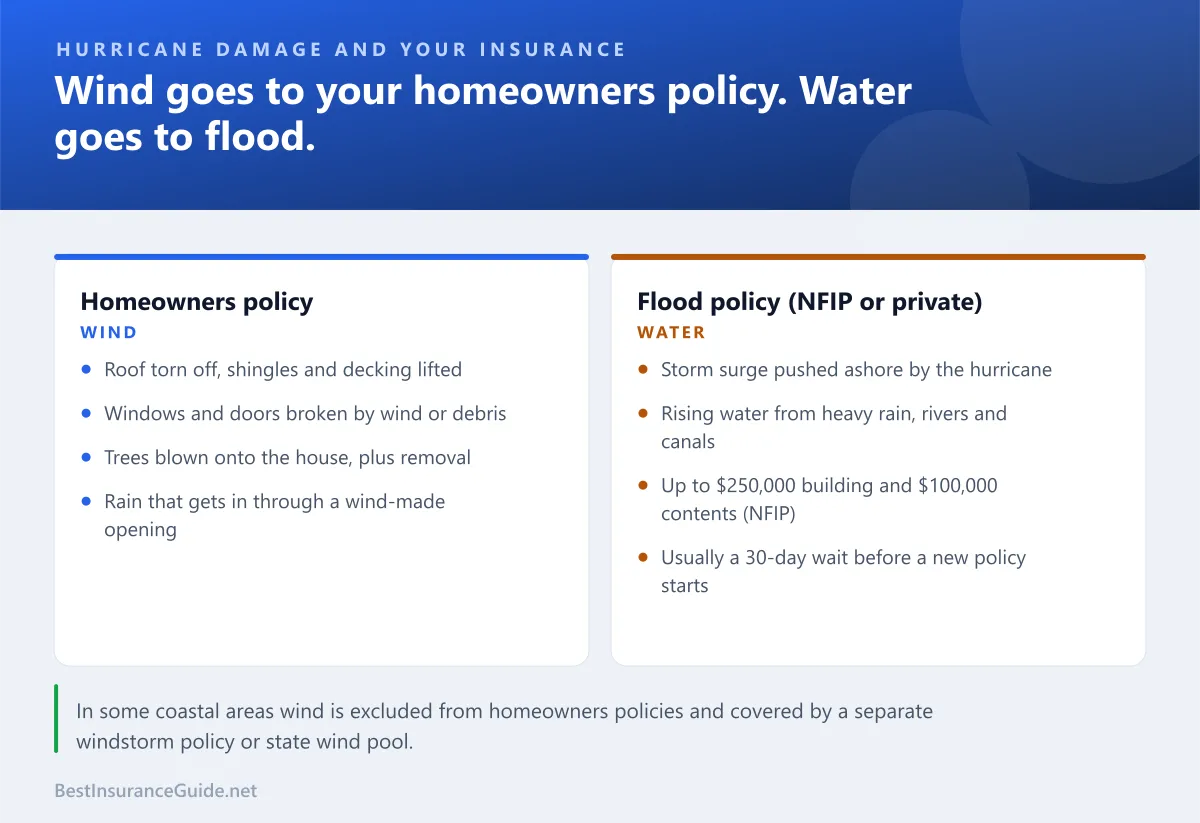
A standard homeowners policy (usually an HO-3) covers windstorm, and a hurricane is a windstorm. That includes:
- Roof damage, such as shingles torn off, decking lifted and flashing ripped away.
- Broken windows and doors, including damage from flying debris.
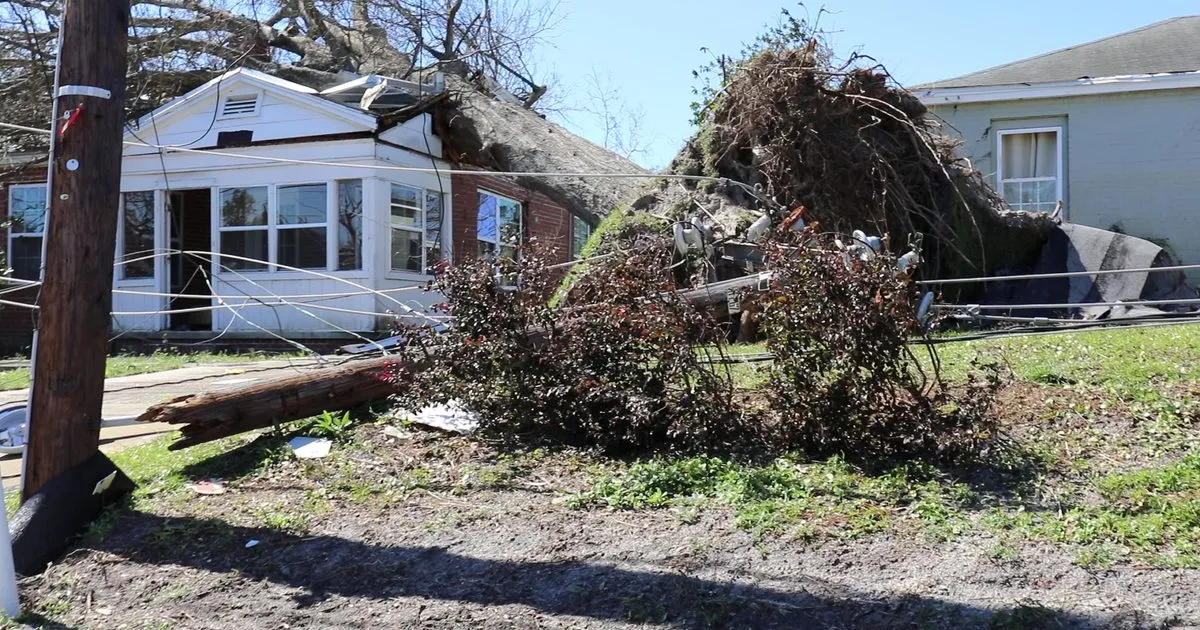
- Trees falling on your house, garage or fence, plus reasonable removal costs, usually up to a set limit.
- Rain that gets in through a wind-made opening. If wind tears off part of your roof and rain pours into the bedroom, the ruined drywall, flooring and furniture are generally covered. Rain that seeps in through an old leak with no storm opening often is not.
- Your belongings damaged by the same wind event, under personal property coverage.
- Additional living expenses if the house is unlivable while it is repaired.
Water damage: usually not covered
Here is the gap that catches people every year. Homeowners insurance excludes flood, and in insurance language flood includes:
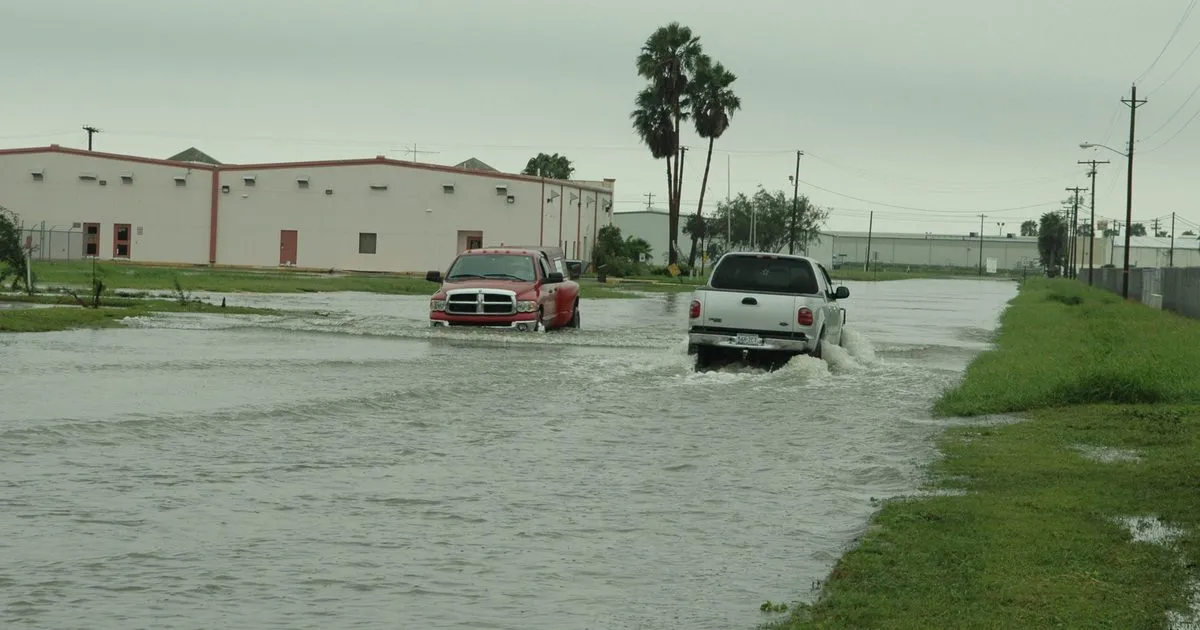
- Storm surge, the wall of seawater a hurricane pushes ashore.
- Rising water from heavy rain, overflowing rivers, bayous and canals.
- Water that backs up through drains or sewers, unless you bought a separate water backup endorsement.
For Isaias, with 5 to 7 feet of surge forecast along parts of the coast and up to a foot of rain inland, that is a real risk. Flood damage is covered only by flood insurance, through the National Flood Insurance Program (NFIP) or a private flood insurer.
Does flood insurance cover hurricanes?
Yes, for the flood part. An NFIP policy covers your building up to $250,000 and your contents up to $100,000 for flood damage, whether the water came from surge or rain. It does not cover wind damage. That is why coastal homes often need two policies, plus sometimes a third for wind (see below). For more, read do I need flood insurance?
When wind is excluded
In some high-risk coastal areas, especially parts of Florida, Alabama, Mississippi and Louisiana, homeowners policies exclude wind entirely. In that case wind coverage comes from a separate windstorm policy, often from a state-backed pool such as Florida’s Citizens Property Insurance wind-only accounts, the Alabama Insurance Underwriting Association, the Mississippi Windstorm Underwriting Association or Louisiana Citizens. Check your declarations page tonight. If it says “windstorm or hail excluded”, you need to know where your wind coverage is.
How the hurricane deductible works
This is the number most homeowners have never looked at until they need it.
A hurricane deductible replaces your regular deductible when damage is caused by a hurricane. It is usually a percentage of your dwelling coverage (Coverage A) rather than a flat dollar amount. Common choices are 1%, 2%, 5% and 10%.
| Dwelling coverage | 2% hurricane deductible | 5% hurricane deductible | 10% hurricane deductible |
|---|---|---|---|
| $200,000 | $4,000 | $10,000 | $20,000 |
| $300,000 | $6,000 | $15,000 | $30,000 |
| $400,000 | $8,000 | $20,000 | $40,000 |
| $500,000 | $10,000 | $25,000 | $50,000 |
Compare that with a typical $1,000 all-other-perils deductible and you can see why a moderate hurricane claim can turn out smaller than people expect.
When the hurricane deductible applies
Each state sets its own trigger.
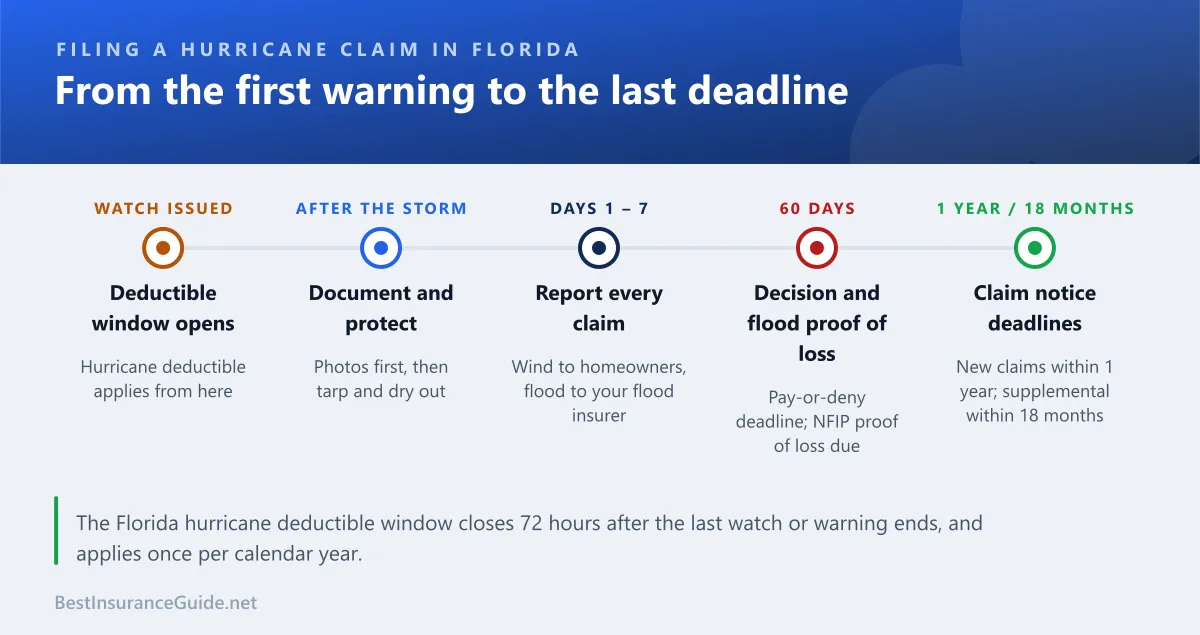
- Florida: the hurricane deductible applies from the time the National Hurricane Center issues a hurricane watch or warning for any part of Florida until 72 hours after the last watch or warning ends. It applies once per calendar year. If you have a second hurricane claim in the same year, you pay the remaining balance of the deductible or your regular deductible, whichever is greater, rather than a fresh hurricane deductible.
- Alabama, Mississippi and Louisiana: many policies use a named storm or hurricane deductible with triggers defined in the policy, often tied to National Weather Service watches and warnings. The wording varies by insurer, so read your own policy.
Once the hurricane deductible applies, no other deductible applies to the same loss. The Florida Department of Financial Services points this out in its Isaias guidance.
Wind and hail deductible vs hurricane deductible
Some policies carry both. A wind and hail deductible applies to any windstorm or hail damage, including ordinary thunderstorms and tornadoes. A hurricane deductible applies only to damage from a hurricane as defined in the policy. If Isaias spins up tornadoes inland, which hurricanes often do, the deductible that applies may depend on timing and policy wording. Ask your insurer which one they are applying, and in writing.
Worked example: a roof claim after a Category 2
Here is how a typical Panhandle claim might shake out. The numbers are illustrative.
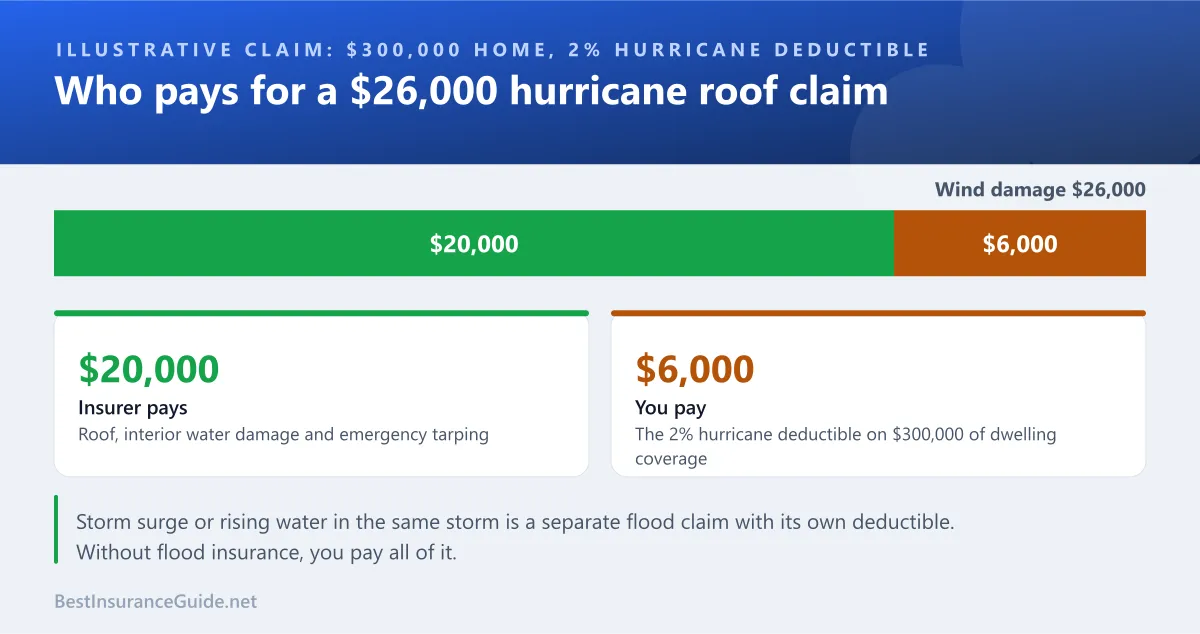
- Home insured for $300,000, with a 2% hurricane deductible = $6,000.
- Wind tears off a third of the roof and rain soaks two bedrooms.
- Repairs: $18,000 for the roof, $6,500 for drywall, insulation and flooring, $1,500 for emergency tarping. Total $26,000.
- The insurer pays $20,000. You pay $6,000.
- If storm surge also put 8 inches of water in the garage and den, that damage goes to the flood policy, which has its own deductible. Without flood insurance, you pay all of it.
If the same roof damage had cost only $5,500, it would fall entirely below the hurricane deductible, and filing a claim would get you nothing. That is a common surprise. It is still worth reporting damage if you are unsure, because hidden damage often surfaces later.
Can you still buy hurricane insurance before Isaias?
Realistically, no.
When a storm threatens, insurers impose a binding moratorium. They stop issuing new policies, raising coverage limits or lowering deductibles for properties in the threatened area until the storm passes. That stops people buying coverage only when they can see the loss coming.
Flood insurance has its own barrier. NFIP policies generally take 30 days to take effect, with limited exceptions, such as coverage bought in connection with a new mortgage. A policy bought today would not cover Isaias.
What you can do is make sure your existing coverage stays in force. Pay any premium that is due, and confirm your insurer has your current phone number and email. The NFIP’s authority to issue and renew policies currently runs to December 12, 2026. Existing policies remain in force regardless.
What to do before landfall
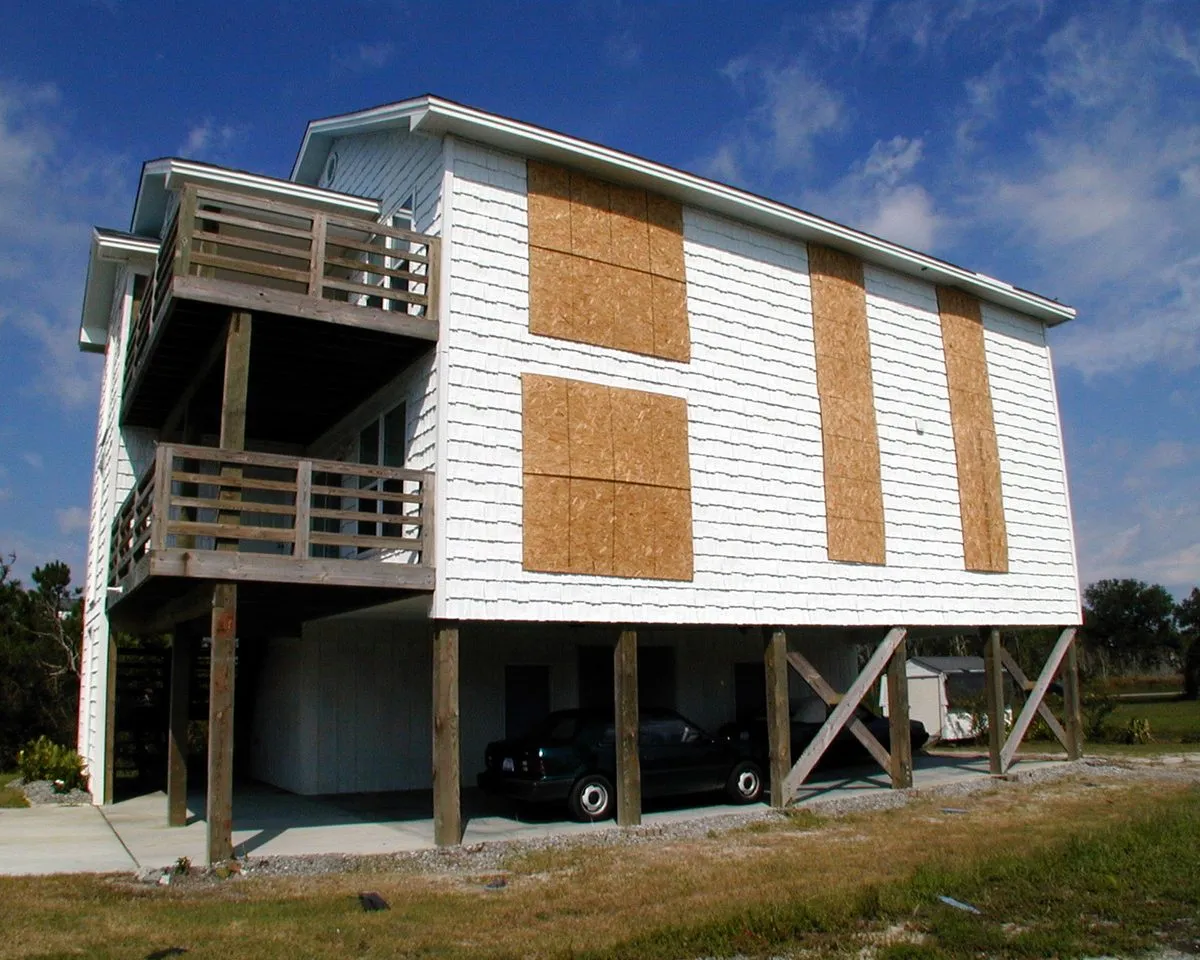 Photo: Dave Gatley, FEMA (public domain).
These steps protect both your house and your claim.
- Find your policy. Save the declarations page, your insurer’s claims number and your agent’s contact details to your phone and to cloud storage. Note your hurricane deductible and any flood policy.
- Make a video walk-through of your home, inside and out, today. Open closets and drawers, and narrate what you see. Include the roof from the ground, appliances, electronics and their model numbers. This is the single best thing you can do for a contents claim.
- Secure what you can: patio furniture, grills and trash cans. Close shutters or board windows. Move cars to a garage or higher ground.
- Move valuables and documents up high or take them with you if you evacuate.
- Know your evacuation zone and follow official orders. No insurance claim is worth staying.
- Keep receipts for any supplies and, if you evacuate, for hotels, food and gas. You may be able to claim some of them later (see below).
How to file a hurricane insurance claim after Isaias
Step 1: Stay safe, then document everything. Before you move or throw away anything, take photos and video of all damage: roof, walls, ceilings, floors, belongings and water lines on walls. Photograph the outside from all four sides.
Step 2: Prevent further damage. Your policy requires you to take reasonable steps to protect the property, such as tarping a roof, boarding broken windows or pulling out soaked carpet. Keep receipts. These costs are usually reimbursed as part of the claim. Don’t make permanent repairs before the adjuster has seen the damage, unless you have to and have documented it thoroughly.
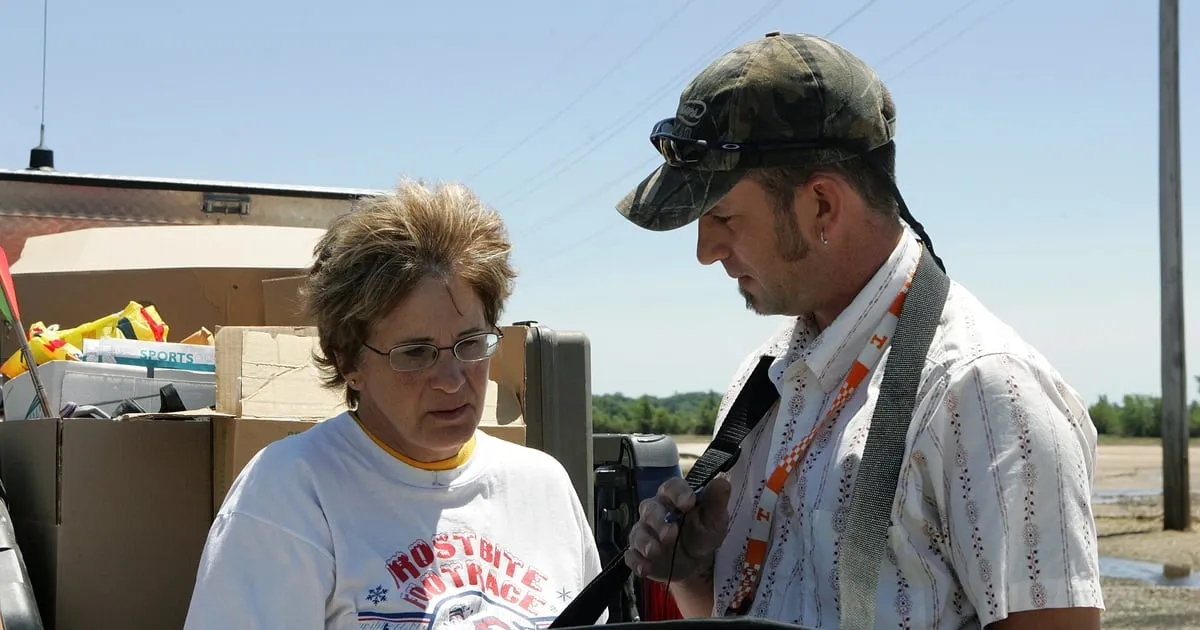
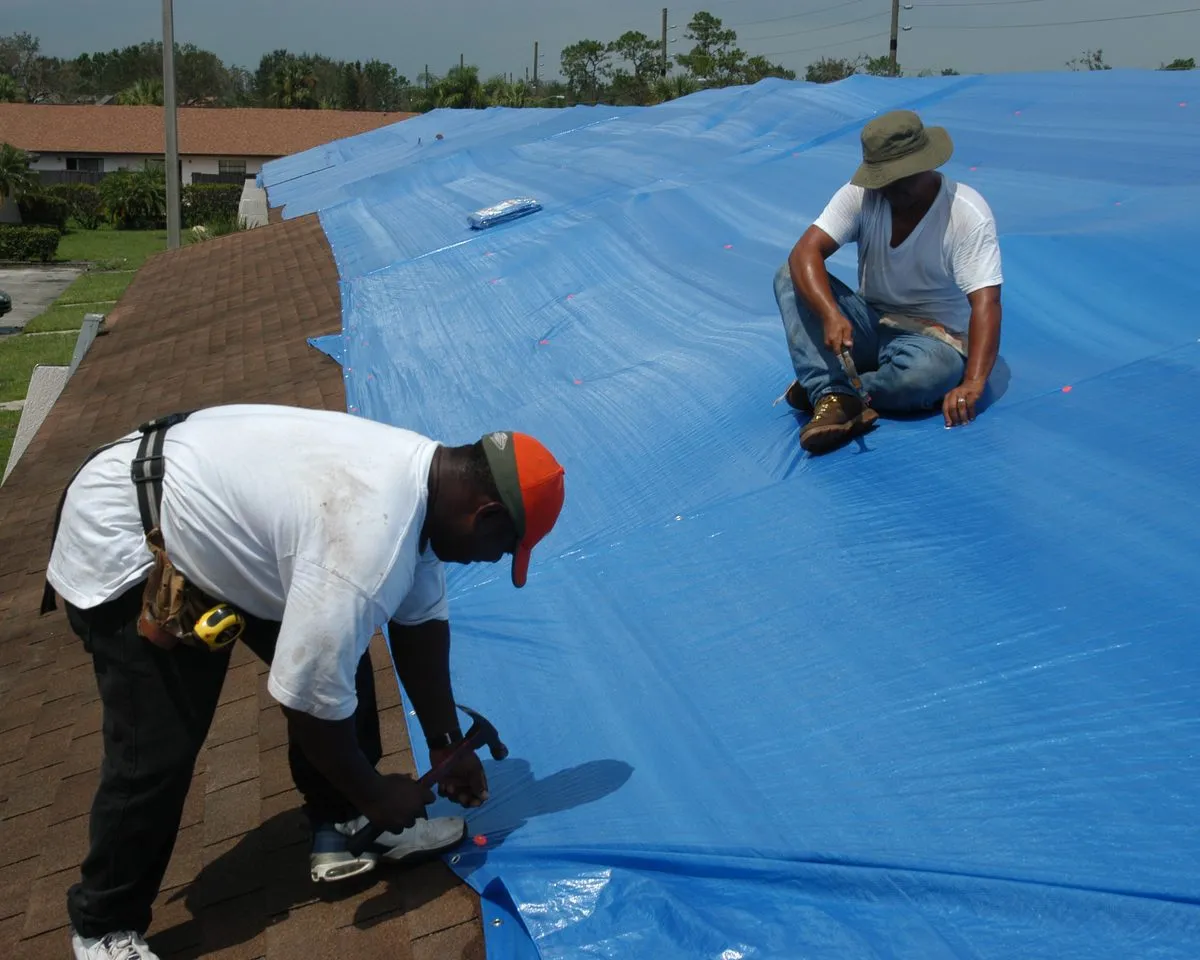 Photo: Mark Wolfe, FEMA (public domain).
Step 3: Report the claim quickly. Call your insurer or use its app. File separately with your homeowners insurer for wind damage and with your flood insurer for flood damage. Write down every claim number, the date and the name of every person you speak to.
Step 4: Keep damaged items for the adjuster to see, if it is safe and sanitary. If you must throw things out, photograph them first and note brand, model and age.
Step 5: Track living expenses. If your home is unlivable, keep receipts for hotels, meals beyond your normal grocery bill, laundry and extra mileage. Loss of use coverage reimburses the extra cost, not your normal living costs.
Step 6: Meet the adjuster and review the estimate. Walk the property with them, point out everything, and ask for a copy of the estimate. Compare it with a contractor’s estimate. If something is missing, say so in writing.
Step 7: Watch the deadlines.
- Florida: notice of a new claim generally within one year of the date of loss; reopened or supplemental claims within 18 months. Insurers must generally pay or deny within 60 days after notice.
- NFIP flood claims: a signed proof of loss within 60 days of the loss, unless FEMA extends it, which it often does after big storms.
- Other states: your policy’s notice requirement and state law apply. Report promptly either way.
Avoid the post-storm traps
- Contractor fraud. Be wary of anyone knocking on doors who wants large upfront payments, pressures you to sign on the spot, or offers to “handle your insurance”. Use licensed contractors and check the license.
- Assignment of benefits. In Florida, policies issued since January 1, 2023 no longer allow you to sign over your insurance benefits to a contractor. Elsewhere, read anything a contractor asks you to sign.
- Public adjusters can help with large or complex claims, but they take a percentage. In Florida, fees are capped at 10% of the claim payment for claims arising from a declared emergency during the first year afterwards.
- Disputes. Florida offers free mediation for residential property claims through the Department of Financial Services (consumer helpline 1-877-693-5236). Other states have similar consumer services at their insurance departments. If your claim is denied or underpaid, read insurance claim denied? What to do now.
Renters, condo owners and cars
- Renters: your landlord’s policy covers the building, not your things. A renters policy covers your belongings against wind and pays living expenses if your unit is unlivable, but not flood. See Florida renters insurance and hurricane coverage.
- Condo owners: the association’s master policy covers the building and common areas. Your HO-6 policy covers your unit’s interior and belongings, and your share of any special assessment if you have loss assessment coverage.
- Cars: flood and wind damage to vehicles is covered by comprehensive coverage on your auto policy, not your homeowners policy. Liability-only policies don’t cover it.
How much is hurricane insurance in Florida?
There is no separate “hurricane insurance” product for most people. Hurricane wind coverage is built into your homeowners premium, and flood is priced separately. What you pay depends mostly on distance to the coast, roof age and shape, wind mitigation features such as straps, shutters and impact windows, your hurricane deductible and construction year. A wind mitigation inspection is the most reliable way to lower the wind part of a Florida premium. For where rates are heading, see Florida home insurance rates are falling.
Related reading
Homeowners insurance deductibles explained covers how deductibles are set. What home insurance covers lists the standard perils, and replacement cost vs actual cash value explains how your belongings are valued. Travelling into the storm’s path? Read does travel insurance cover hurricanes?
Sources and notes
- National Hurricane Center advisories for Hurricane Isaias, as reported by WJHG and Insurance Journal, October 7–8, 2026 (intensity, warnings, surge and rainfall forecasts).
- Florida Department of Financial Services, Division of Consumer Services, Hurricane Isaias resources: hurricane deductible trigger and the consumer helpline.
- Office of the Governor of Alabama, state of emergency declaration, October 7, 2026, via WSFA.
- Florida Statutes §627.701 (hurricane deductibles), §627.70132 (claim notice deadlines) and §627.70131 (claim handling timelines); Florida’s 2023 assignment-of-benefits and public adjuster fee rules.
- FEMA / NFIP Standard Flood Insurance Policy: coverage limits, the waiting period and proof of loss; NFIP authorization reported by Insurance Journal, October 7, 2026.
- Photos: M. Amaya / Voice of America (featured); Dave Gatley and Mark Wolfe, FEMA. All public domain, via Wikimedia Commons.
This article is general information, not legal or insurance advice. Coverage depends on your policy wording and state law. Contact your insurer or agent about your specific policy, and follow official guidance on evacuation and safety.