Florida Home Insurance Rates Are Falling: Citizens Cuts, New Rate Decreases and How to Save in 2026
Florida home insurance rates are falling: Citizens cut 8.7%, insurers filed decreases up to 10.4%, and Citizens shrank to 247,000 policies.

Table of contents
After years of double-digit increases, cancelled policies and insurers leaving the state, Florida homeowners are finally getting some good news. Home insurance rates in Florida are falling.
- Citizens Property Insurance, the state-backed insurer, cut rates by an average of 8.7%, and more than 150,000 policyholders got cuts of 10% or more.
- On September 24, 2026, regulators approved more decreases from private insurers, up to 10.4%.
- Florida was the only state where average homeowners rates fell in 2025, according to S&P Global.
- Insurance Commissioner Mike Yaworsky says he expects “more aggressive rate cuts” going into 2027.
Here’s what’s changed, why, and how to make sure your own premium comes down too.
This site is independent and not affiliated with Citizens, the Florida Office of Insurance Regulation (OIR) or any insurer.
The numbers: Florida’s home insurance turnaround
| Measure | Then | Now |
|---|---|---|
| Citizens policies | ≈1.4 million (2023 peak) | ≈247,000 (Sept. 18, 2026) |
| Citizens average rate change | Years of increases | −8.7% |
| Florida average rate change, 2025 | n/a | −0.92%, vs +5.5% nationally |
| Average homeowners premium, admitted market | n/a | $3,736 a year, including wind |
| New insurers since the reforms | n/a | 17 (OIR, Jan. 2026); 20 (APCIA) |
Sources: Florida OIR and Governor’s office (January 2026); Florida Realtors, citing OIR and an S&P Global analysis (September 2026); American Property Casualty Insurance Association (APCIA).
Citizens cuts rates an average of 8.7%
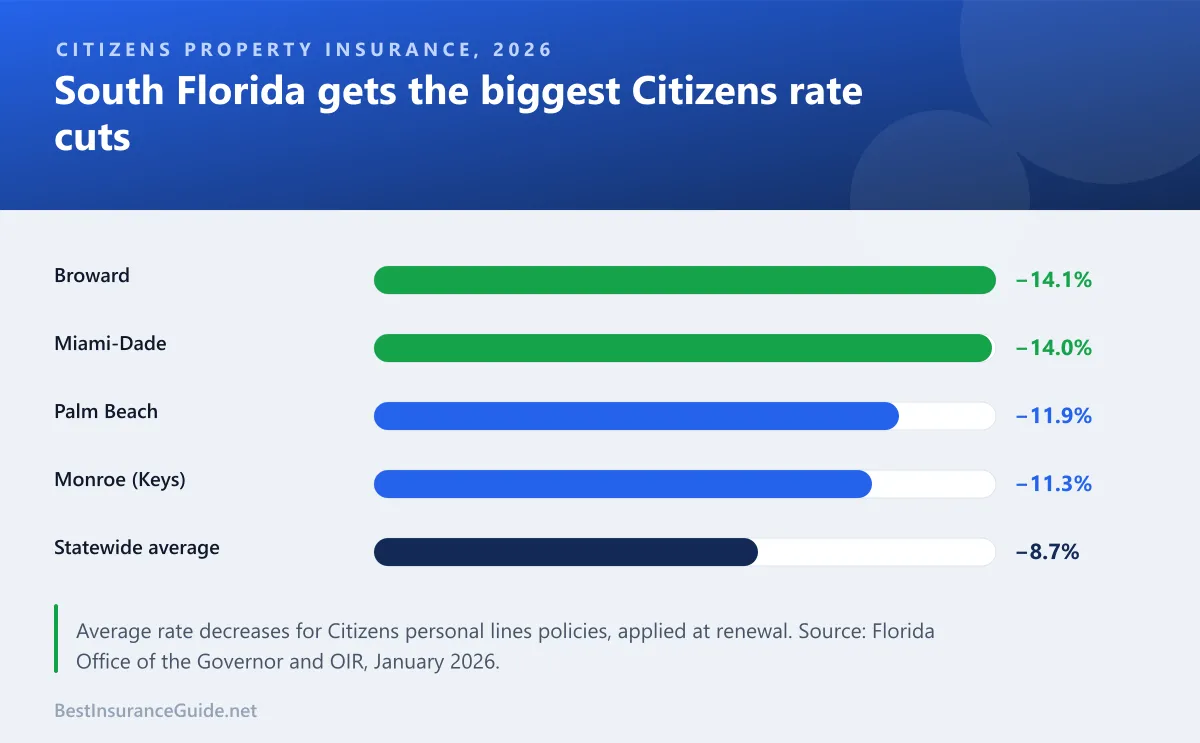
In January 2026, the OIR approved an 8.7% average decrease for Citizens personal lines policies, which include homeowners, condo, renters and mobile home coverage. Citizens had asked for 2.7%, so regulators tripled the size of the cut. The new rates apply at renewal.
The biggest cuts went to South Florida:
| County | Approx. homes | Average Citizens cut |
|---|---|---|
| Broward | ≈27,000 | 14.1% |
| Miami-Dade | ≈42,000 | 14.0% |
| Palm Beach | ≈26,000 | 11.9% |
| Monroe (Keys) | 1,000+ | 11.3% |
| Statewide | 330,000+ | 8.7% |
More than 330,000 policyholders across all 67 counties saw decreases, according to the Governor’s office.
Citizens has shrunk by more than 80%
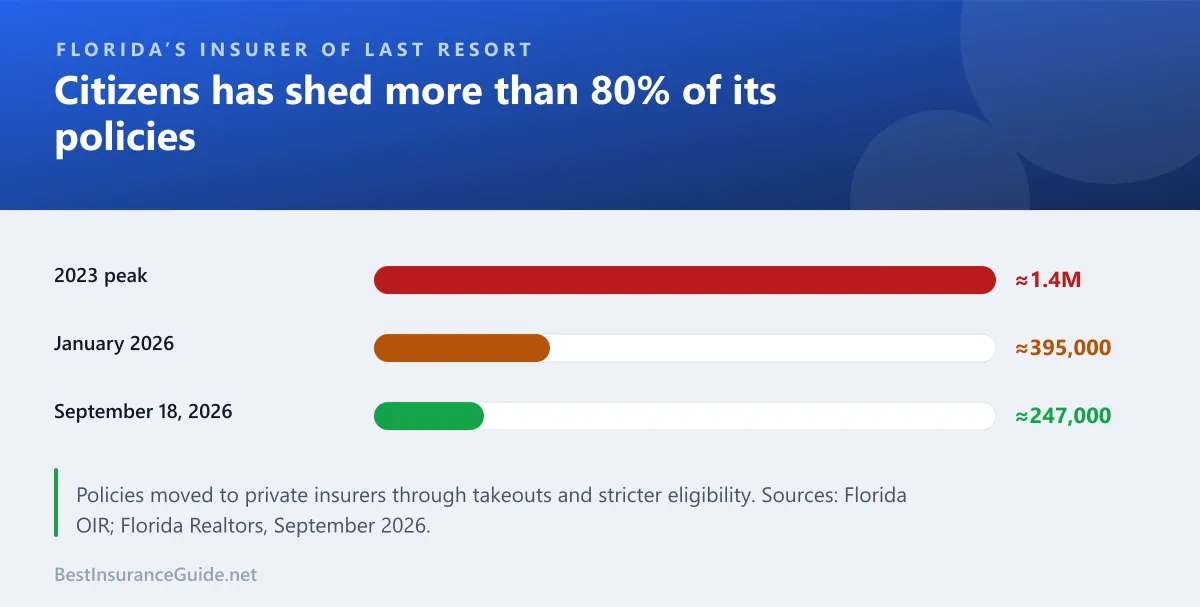
In 2023, Citizens, meant to be the insurer of last resort, had become Florida’s largest home insurer, with about 1.4 million policies. Since then, a steady stream of “takeouts”, where private insurers offer to take over Citizens policies, along with stricter eligibility rules, has moved policyholders back to the private market:
- ≈1.4 million policies in 2023
- ≈395,000 in January 2026
- ≈247,000 on September 18, 2026, with about 248,000 projected for year-end
That matters to every Florida homeowner, not only Citizens customers. If a major hurricane leaves Citizens short of money, it can charge assessments, and some of those can fall on policyholders of other insurers too. A smaller Citizens means less of that risk.
Private insurers are cutting rates too
On September 24, 2026, the OIR approved four more homeowners rate decreases covering 62,666 policies:
| Insurer | Approved cut | Policies |
|---|---|---|
| Vyrd Insurance Company | 10.4% | 26,751 |
| One Alliance North America | 10.4% | 17,148 |
| Safe Harbor Insurance Company | 4.1% | 10,501 |
| Unique Insurance Company | 3.2% | 8,266 |
Earlier in 2026, the OIR announced decreases from Florida Peninsula (8.2%), Security First (8%) and Universal Property & Casualty (5.1%). Kin Insurance reported average cuts of more than 20% for policyholders in Broward, Miami-Dade and Palm Beach counties.
More are in the pipeline. Pending requests range from 0.3% to 19.7% decreases, and the 30-day average homeowners rate request stood at −4.8% in September, compared with −1.1% a year earlier.
Why Florida rates are falling
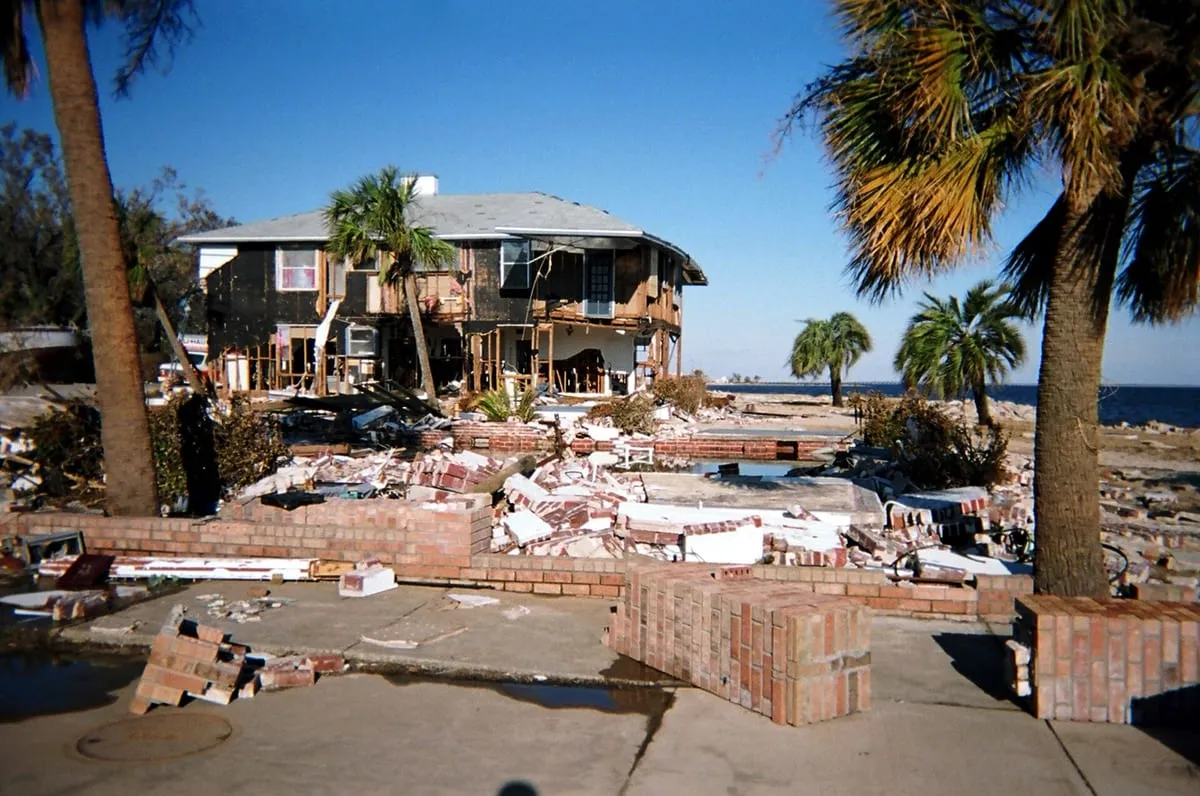
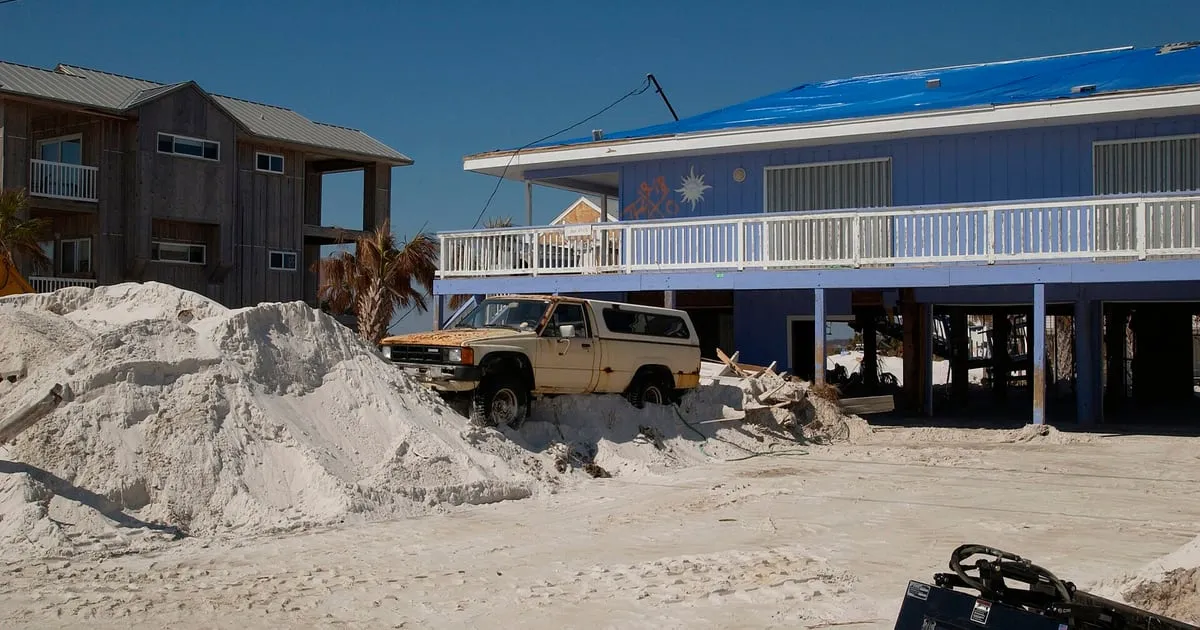
Photo: FEMA / Butch Kinerney, public domain, via Wikimedia Commons. Hurricane Ivan, Pensacola, 2004.
Florida’s market nearly collapsed in 2022, when several insurers failed or left the state. Hurricanes are part of the story, but litigation was the bigger driver. Florida had a small share of the nation’s homeowners claims but an outsized share of its homeowners insurance lawsuits.
1. Legal reforms (2022–2023). In special sessions and the 2023 session, lawmakers:
- Ended one-way attorney fees for property claims. Previously, insurers paid the policyholder’s legal fees if the policyholder won anything in court.
- Restricted assignment of benefits (AOB), which had let contractors take over claims and sue insurers directly.
- Created a reinsurance fund and tightened Citizens eligibility.
Regulators credit these reforms most. “These positive results are entirely related to our historic tort reforms,” Commissioner Yaworsky said in January.
2. New insurers. With litigation costs falling, carriers returned. The OIR counted 17 new companies in January 2026, and APCIA now puts it at 20. More competition means more pressure on prices.
3. Cheaper reinsurance. Florida insurers buy large amounts of reinsurance, which is insurance for insurers. The state says those costs have declined, which feeds directly into rates.
4. Fewer catastrophic losses lately. Rates are based on long-term risk models, but a run of manageable hurricane seasons helps insurers’ finances. One major storm could slow the trend.
How Florida got here: a short timeline
- 2017–2021: Claims litigation surges. Roof claims and assignment-of-benefits lawsuits drive up costs, and insurers raise rates sharply.
- 2022: Several Florida home insurers become insolvent or stop writing new policies. Hurricane Ian hits southwest Florida in September. In December, a special session passes major reforms ending one-way attorney fees for property claims and restricting AOB.
- 2023: Further tort reform passes. Citizens peaks at about 1.4 million policies as private options shrink.
- 2024–2025: Takeouts accelerate, new insurers enter, and average rate increases flatten. In 2025, Florida becomes the only state with an average homeowners rate decrease, according to S&P Global.
- 2026: Citizens cuts rates an average of 8.7%, private insurers file for decreases, and Citizens falls below 250,000 policies.
What it means for condo owners and renters
Condo unit owners (HO-6) and renters (HO-4) with Citizens are covered by the 8.7% personal lines average, though the cut for each policy varies by product and location. Renters policies are usually inexpensive, so savings in dollars are smaller. See our guide to renters insurance and flood damage for what renters policies leave out.
Condo owners should also watch their association’s master policy. Building coverage costs, along with Florida’s post-Surfside structural inspection and reserve rules, have pushed up HOA fees in many buildings. A cheaper HO-6 policy may not offset a higher assessment, but falling commercial wind rates in the surplus lines market could eventually ease master policy costs too.
Why your premium might not go down
A rate decrease isn’t the same as a lower bill. Your premium can still rise if:
- Your home’s replacement cost went up. Insurers adjust dwelling coverage for construction costs, and higher coverage means a higher premium.
- Your discounts changed, such as an expired wind mitigation inspection or an ageing roof.
- You switched insurers or left Citizens. Takeout carriers set their own rates.
- You added coverage, such as higher liability limits or scheduled jewellery.
Compare your renewal declarations page with last year’s, line by line. If your rate fell but your premium rose, find out why.
How to lower your Florida homeowners insurance
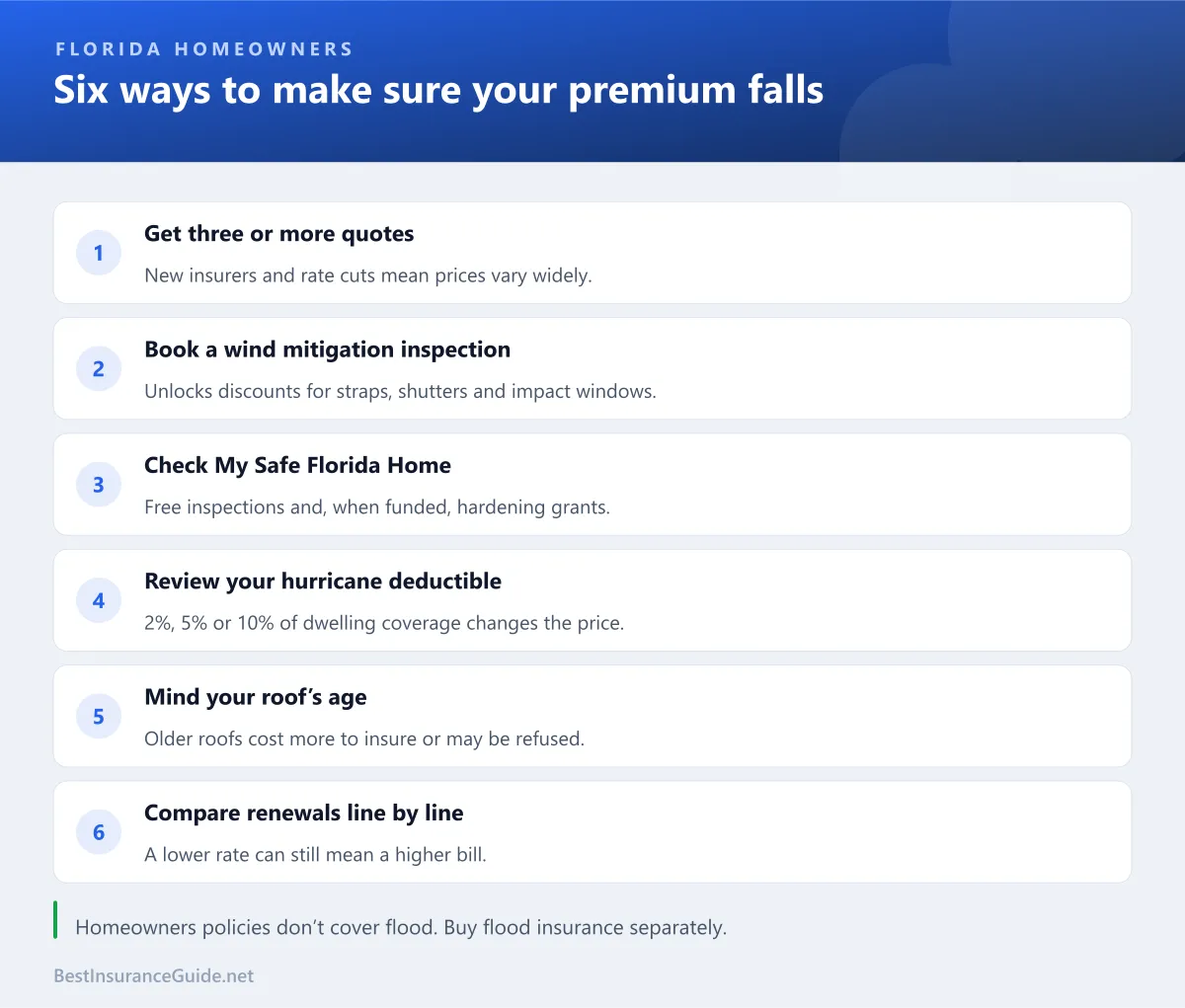
- Shop around now. With new carriers and more rate cuts, quotes vary widely. Get at least three, including from an independent agent who works with several insurers.
- Get a wind mitigation inspection. Florida insurers must offer discounts for features that reduce wind damage, such as roof-to-wall straps, impact-rated windows and shutters, and a secondary water barrier. An inspection typically costs about $100 to $150 and can cut the wind portion of your premium significantly.
- Apply for My Safe Florida Home. The state program offers free inspections and, when funded, matching grants for hardening upgrades. Check the program website for current availability.
- Raise your hurricane deductible if you can afford it. Florida policies have a separate hurricane deductible, usually 2%, 5% or 10% of dwelling coverage. See our guide to homeowners insurance deductibles and AOP deductibles.
- Replace an old roof. Roof age is one of the biggest pricing factors in Florida, and many insurers won’t cover older roofs at all.
- Bundle and ask about discounts for security systems, claims-free history and paying in full.
If you’re still with Citizens
Expect takeout offers. Under Florida law, if a private insurer offers comparable coverage at a premium within 20% of your Citizens renewal premium, you generally become ineligible to renew with Citizens. Before accepting, compare:
- The insurer’s financial strength rating and how long it has been in Florida
- The coverage, including roof payment schedules, deductibles and exclusions
- The total premium, not only the rate
Don’t forget flood insurance
Rate cuts apply to homeowners policies, which don’t cover flood. Storm surge and flooding caused much of the damage in recent Florida hurricanes. Flood coverage through the National Flood Insurance Program or a private flood insurer is separate, and Citizens policyholders are being phased into a requirement to carry it. See our guide: do I need flood insurance?
If you’ve had trouble getting a claim paid, see insurance claim denied: what to do.
What happens next
- More rate filings: Commissioner Yaworsky said in September that he expects “more aggressive rate cuts in the near future and going into 2027.”
- Citizens’ 2027 rates: Citizens typically files rate recommendations late in the year for the following year.
- Hurricane season runs until November 30. A major landfall could change the outlook quickly.
We’ll update this article as new rate decisions are announced.
Sources and notes
- Florida Office of Insurance Regulation and Office of the Governor, January 12–13, 2026: Citizens 8.7% average decrease; county figures; 330,000+ policyholders; Florida Peninsula, Security First and Universal decreases; 17 new insurers; Citizens policy count of 395,144.
- Insurance Journal, “Florida OIR Triples the Size of Citizens’ Rate Decrease,” January 20, 2026: requested 2.7% vs approved 8.7%.
- Florida Realtors, “Florida approves more home insurance rate cuts,” September 24, 2026: four insurer approvals; S&P Global 2025 rate data; $3,736 average premium; Citizens at 247,000 policies; Commissioner Yaworsky quote.
- Insurance Business, September 2026: APCIA count of 20 new companies; pending requests and the 30-day average of −4.8%.
- Featured photo: FEMA / Bill Koplitz, Pensacola Beach after Hurricane Ivan, 2004, public domain, via Wikimedia Commons.
This article is general information, not insurance or legal advice. Rates and eligibility rules change, so confirm details with your insurer, agent or the Florida OIR.