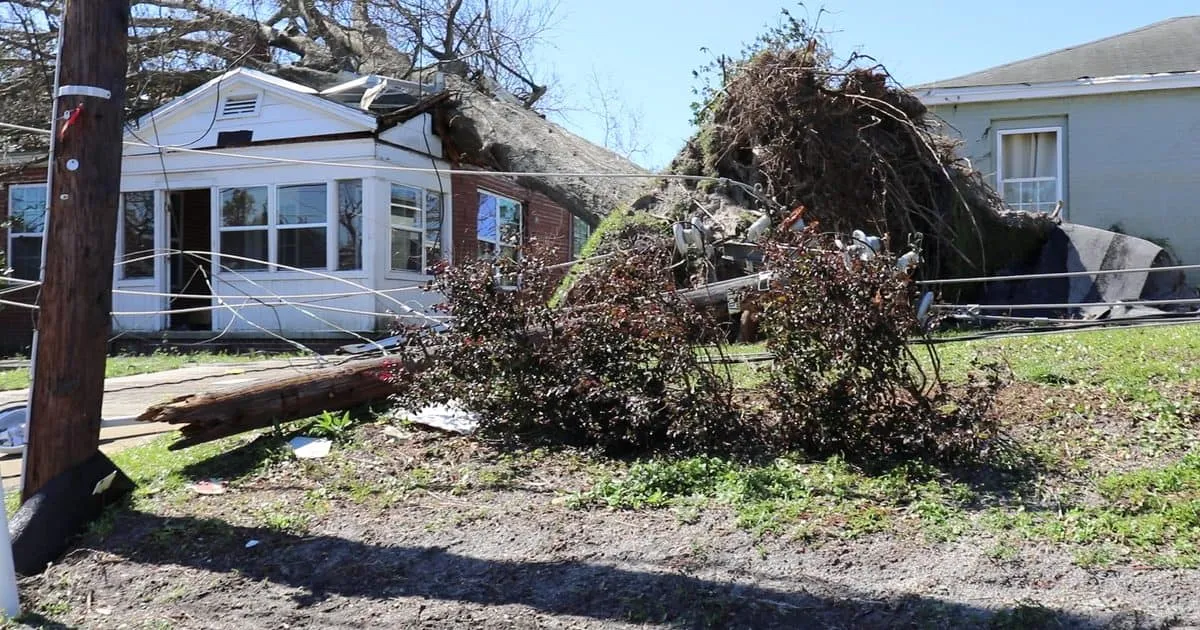
California FAIR Plan Rate Increase: What the 29.1% Hike Means for Homeowners
The CA FAIR Plan's 29.1% average rate increase starts October 15, 2026. Who pays more, the -20% to +50% range, why rates rose, and 7 ways to cut your premium.

Table of contents
If you insure a California home through the FAIR Plan, your next renewal will probably cost more. The California FAIR Plan’s average rate increase of 29.1% takes effect on October 15, 2026, for dwelling policies written or renewed on or after that date. It is the largest increase in the plan’s recent history, and it reaches more than 675,000 policyholders.
The headline number hides a wide range. Some homeowners in the highest wildfire risk areas could see increases near 50%. Some homes in lower-risk urban neighbourhoods may pay less. This guide explains what is changing, why, who is affected most, and what you can do before your renewal notice arrives.
This site is independent and is not affiliated with the California FAIR Plan or any insurer. Figures come from California Department of Insurance documents and news reporting on the FAIR Plan’s announcement, attributed below.
The short version
- What: a 29.1% average rate increase on California FAIR Plan dwelling policies, approved by the California Department of Insurance. The FAIR Plan had asked for 35.8%.
- When: policies written or renewed on or after October 15, 2026.
- Who: more than 675,000 FAIR Plan policyholders.
- How much: individual changes are expected to range from roughly a 20% decrease to a 50% increase, depending on risk. The wildfire portion of some premiums could double.
- Why: a huge rise in the plan’s exposure, now about $768 billion, plus the cost of the January 2025 Los Angeles wildfires.
What is the California FAIR Plan?
The FAIR Plan, short for Fair Access to Insurance Requirements, is California’s insurer of last resort. It is not a government agency. It is an association that every insurer licensed to sell property insurance in California must join and fund. It exists to offer basic fire coverage to people who cannot find it in the regular market.
For decades it was a small backstop. That changed as major insurers paused or limited new homeowners policies in wildfire-prone areas, and homeowners had nowhere else to go.
FAIR Plan policies are deliberately basic. A typical dwelling policy covers fire, lightning, smoke and internal explosion, with optional add-ons. Many owners pair it with a difference in conditions (DIC) policy from a private insurer to cover theft, water damage and liability, which the FAIR Plan does not. Our guide to what home insurance actually covers explains those gaps.
FAIR Plan vs a standard homeowners policy
| Coverage | FAIR Plan dwelling policy | Typical standard homeowners policy |
|---|---|---|
| Fire, lightning, smoke | Yes | Yes |
| Wind, hail and other extended perils | Optional add-ons | Usually included |
| Theft | No | Yes |
| Water damage from burst pipes | No | Usually included |
| Personal liability | No | Yes |
| Loss of use (living expenses) | Limited or optional | Yes |
General comparison. Exact terms depend on the policy form and options you choose.
Because of these gaps, comparing FAIR Plan costs fairly means adding the DIC policy too. A homeowner paying $3,200 for the FAIR Plan and $900 for a DIC policy is really spending $4,100 for roughly the coverage a single standard policy provides. After the increase, that combined figure is the number to compare against private-market quotes.
How fast the FAIR Plan has grown
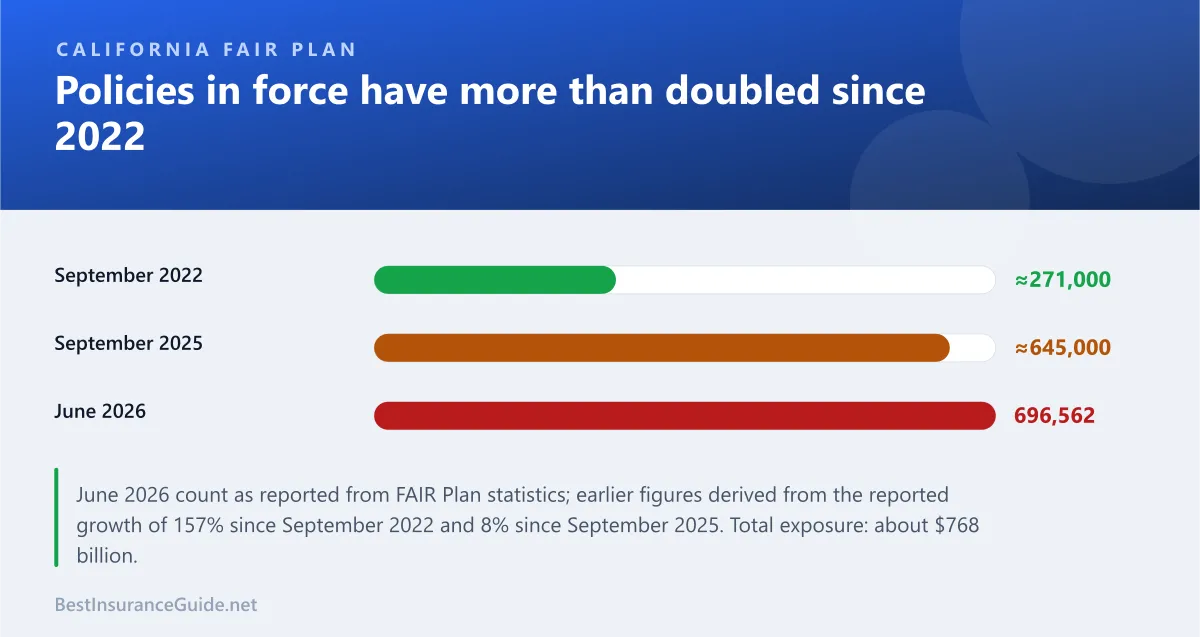
The numbers explain why rates are rising. As of June 2026, the FAIR Plan had 696,562 dwelling and commercial policies in force:
- up about 8% since September 2025, and
- up about 157% since September 2022.
Its total exposure, the combined value of everything it insures, reached $768 billion in June 2026. That is up about 11% in nine months and roughly 250% since September 2022. About 94% of that exposure is residential.
An insurer of last resort is meant to carry a small share of the riskiest homes for a short time. The FAIR Plan now carries a large share of the riskiest homes in the state indefinitely, and its rates were not built for that.
Why the FAIR Plan is raising rates
1. The Los Angeles wildfires
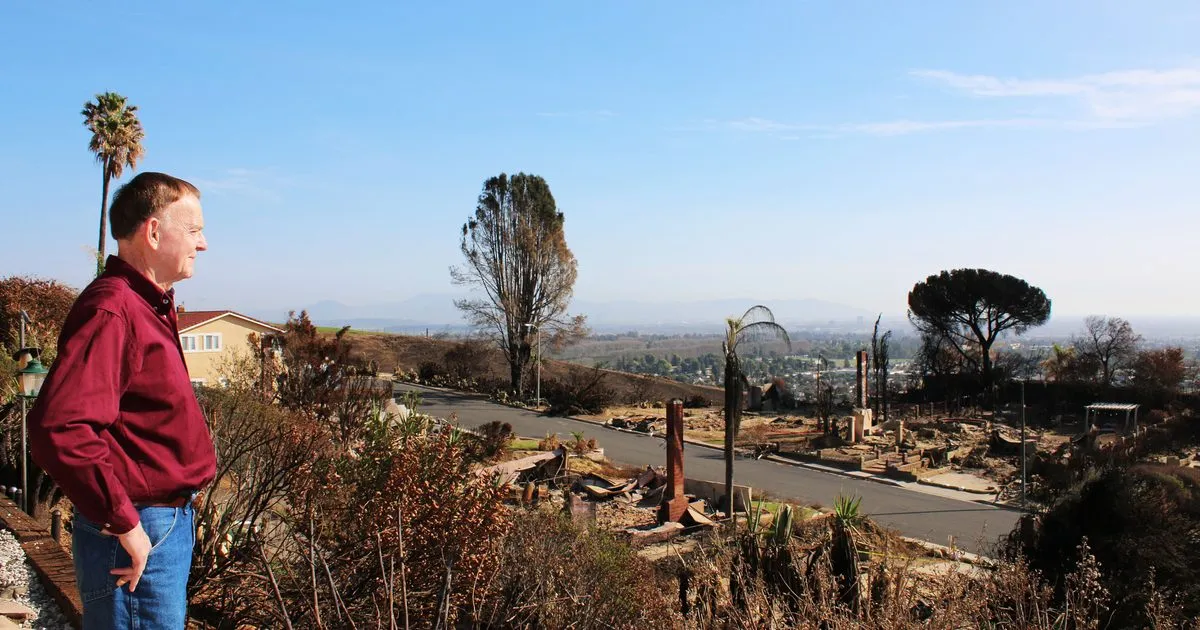
The Palisades and Eaton fires in January 2025 were among the most destructive in California’s history. By February 2025, the FAIR Plan had received more than 4,700 claims from the two fires and estimated its total losses at about $4 billion.
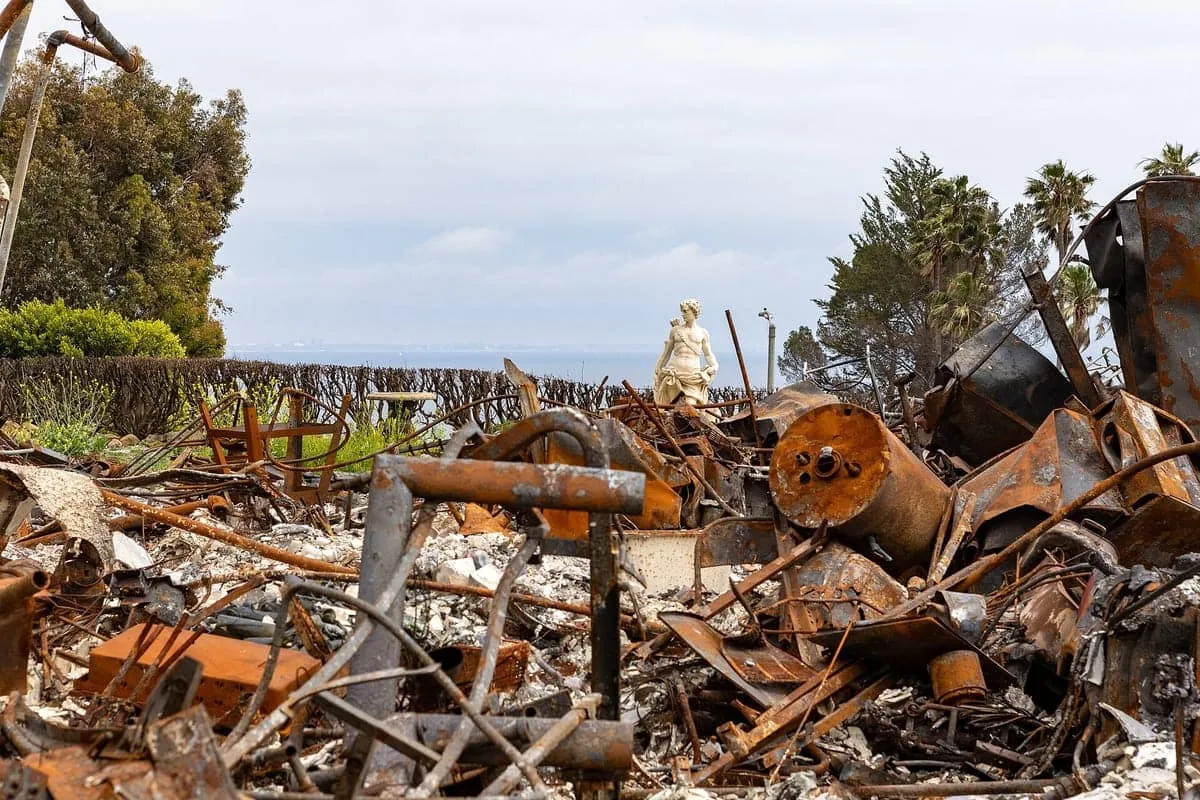
Wildfire-damaged homes in Malibu await debris removal in May 2025. Photo: U.S. Army Corps of Engineers / Christopher Rosario, public domain, via Wikimedia Commons.
2. A $1 billion assessment on insurers
The FAIR Plan did not have enough cash to pay those claims on its own. On February 11, 2025, California’s Insurance Commissioner approved a $1 billion assessment on the plan’s member insurers. It was the first such assessment since the 1994 Northridge earthquake and the largest in the plan’s history.
Under the rules approved at the time, insurers could recover up to 50% of that assessment from their own policyholders. That is why many California homeowners who have never been on the FAIR Plan have seen a temporary supplemental fee on their bills.
3. Rates that lagged the risk
The FAIR Plan filed for a 35.8% increase in 2025, arguing its rates did not reflect the wildfire exposure it now carries. Regulators approved 29.1%. Even after the increase, the plan’s own argument is that it remains under-priced in some of the highest-risk areas. That is one reason the increases there are steepest.
Who pays more, and who might pay less
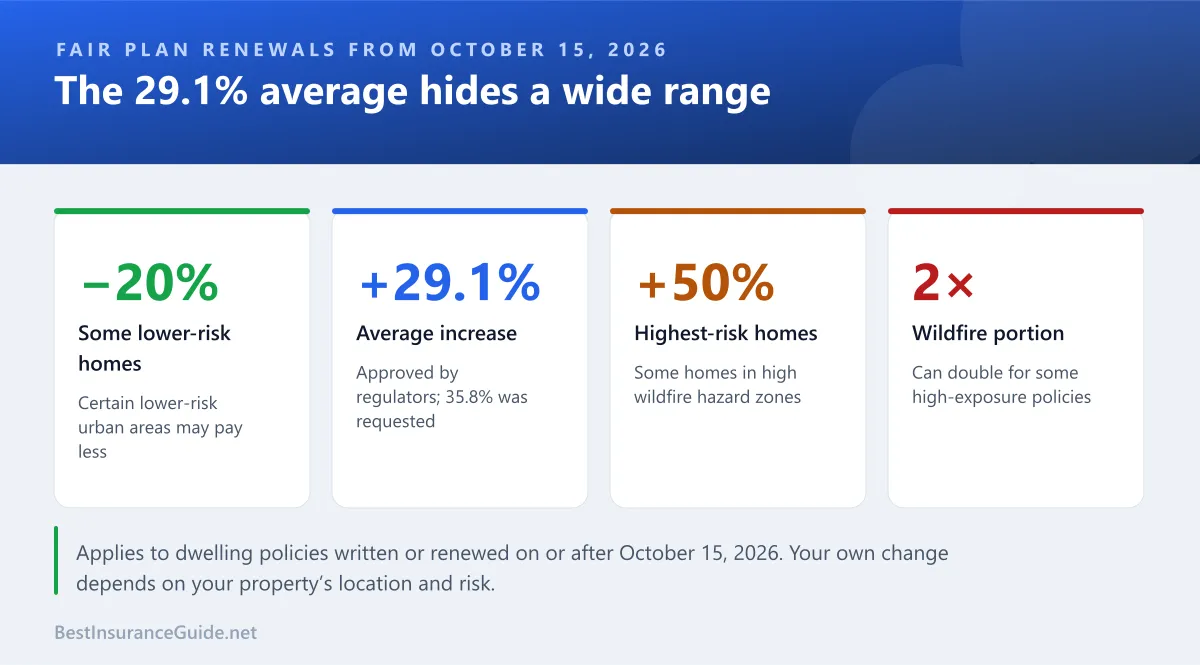
Because 29.1% is an average, your own renewal could be very different:
- Highest wildfire hazard areas: increases of around 50% are expected for some homes and small buildings, and the wildfire portion of some premiums could double.
- Moderate-risk areas: increases closer to the average.
- Lower-risk urban areas: some properties may see small increases or a decrease. For example, some homes in lower-risk parts of the Bay Area could pay less.
Worked example
These figures are illustrative only. Your own premium depends on your property, coverage and location.
| Home | Current FAIR Plan premium | Change | New premium |
|---|---|---|---|
| Hillside home, very high fire hazard | $4,000 | +50% | $6,000 |
| Suburban home, average risk | $2,500 | +29.1% | $3,228 |
| Urban home, lower risk | $1,800 | −20% | $1,440 |
The first row is the one to plan for if you live in a mapped high-hazard zone. A $2,000 jump at renewal is a real budgeting problem, which is why the steps below are worth doing before October 15 rather than after the bill arrives.
When the increase will hit your policy
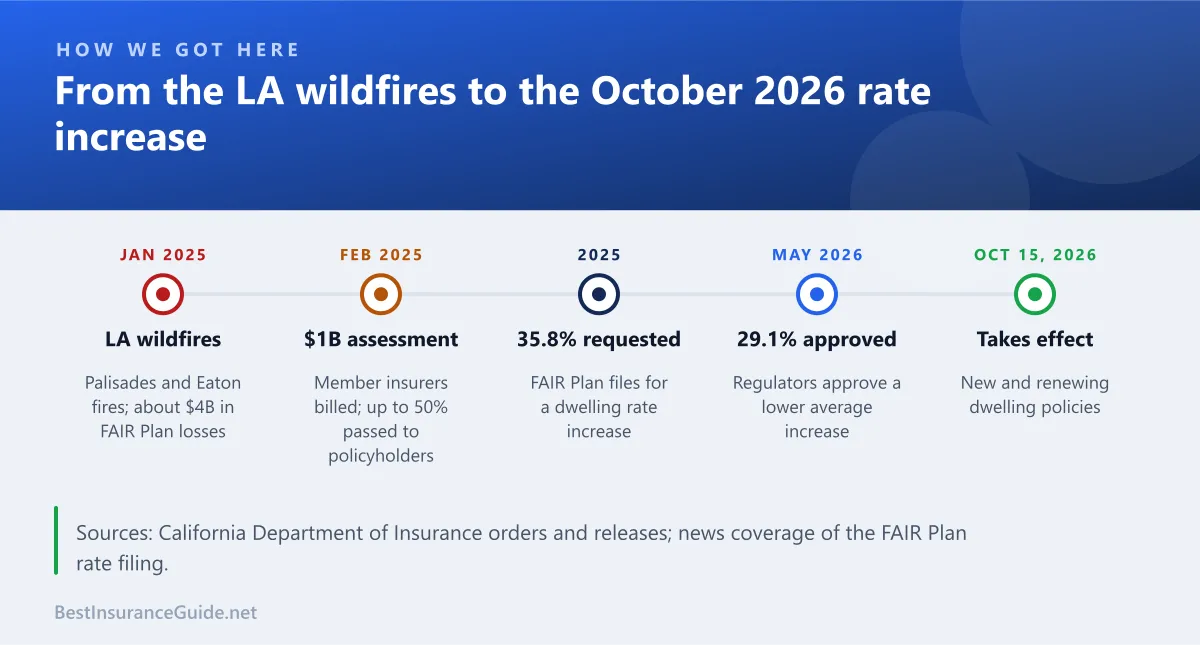
The new rates apply when your policy is written or renewed on or after October 15, 2026.
- Renewing in late 2026? Expect the new rate on your renewal offer.
- Renewed just before October 15? You keep your current rate until your next renewal, so you have extra time to shop.
- Buying a home now? Any new FAIR Plan policy written from October 15 uses the new rates. Build that into your housing budget and your lender’s escrow estimate.
Seven things to do before your renewal
1. Read your renewal notice carefully
Check the new premium, the coverage amount (the dwelling limit) and the deductible. Make sure the dwelling limit reflects today’s rebuilding cost. Under-insuring to save money can leave a large gap after a total loss.
2. Ask about wildfire mitigation discounts
California requires insurers, including the FAIR Plan, to recognise wildfire safety measures under the state’s Safer from Wildfires framework. Measures such as fire-resistant roofing, ember-resistant vents, enclosed eaves and cleared defensible space can qualify for discounts. Ask your broker exactly which measures count for your policy and what documentation you need.
3. Shop the private market again
The market is not standing still. Under Insurance Commissioner Ricardo Lara’s Sustainable Insurance Strategy, insurers that agree to write more policies in wildfire-distressed areas can use catastrophe models and reinsurance costs in their rates.
On May 12, 2026, Farmers Insurance, California’s second-largest home insurer, joined the strategy. It committed to market to at least 300,000 policyholders in wildfire-distressed areas and removed its monthly cap on new homeowners business. According to the Department of Insurance, six of the state’s ten largest home insurance groups now participate.
Consumer advocates dispute how many new policies these commitments have actually produced. Still, if you were turned down two or three years ago, it is worth asking again. Our guide to comparing insurance quotes covers how to compare like for like.
4. Price the whole package, not just the FAIR Plan bill
If you carry a FAIR Plan policy plus a DIC policy, add both premiums together when comparing. A single standard homeowners policy that covers everything can sometimes cost less than the combination, even if its headline price looks higher.
5. Review your deductible
A higher deductible lowers your premium, but only choose one you could actually pay after a loss. Our guide to why higher deductibles lower premiums explains the trade-off, and homeowners insurance deductibles covers how they work on a claim.
6. Tell your lender early
If your premium is paid through an escrow account, a large increase can trigger a higher monthly mortgage payment or an escrow shortage. Let your servicer know early so the adjustment is spread out rather than arriving as a shortage notice.
7. Use free help if something looks wrong
If your renewal looks incorrect, or you cannot find coverage anywhere, the California Department of Insurance consumer hotline is 800-927-4357, and insurance.ca.gov has complaint and help resources.
What this means for California’s insurance market
The FAIR Plan increase is one part of a larger reset in California home insurance:
- Regulators are trading higher rates for more availability. The Sustainable Insurance Strategy lets insurers price for catastrophe risk in exchange for writing in high-risk areas.
- The FAIR Plan is being pushed back toward a true last resort. Higher FAIR Plan prices make the private market comparatively more attractive, especially for lower-risk homes.
- Wildfire mitigation is becoming a pricing factor. Hardening a home is increasingly the main lever homeowners have over their premium.
For homeowners in the riskiest areas, the uncomfortable reality is that coverage is likely to stay expensive for some time. The homeowners with the most options will be those whose homes are hardened, whose coverage limits are realistic, and who shop at every renewal.
Related reading
Do I need flood insurance? covers another gap in standard policies. Insurance rate trends 2026 explains why home premiums are rising nationally, and replacement cost vs actual cash value explains how a claim is paid after a total loss.
Looking for a way off the FAIR Plan? California home insurance in high fire risk areas covers every route to coverage and the Allstate and State Farm reopening filings.
Sources and notes
- California Department of Insurance, Order No. 2025-1 approving the FAIR Plan’s $1 billion assessment, February 11, 2025, and related press materials.
- California Department of Insurance, alert on Farmers Insurance joining the Sustainable Insurance Strategy, May 2026.
- KQED, “California FAIR Plan Announces 29.1% Rate Hike for Homeowners This Fall,” August 2026.
- FAIR Plan policy count and exposure figures for June 2026 as reported in news coverage of the plan’s published statistics.
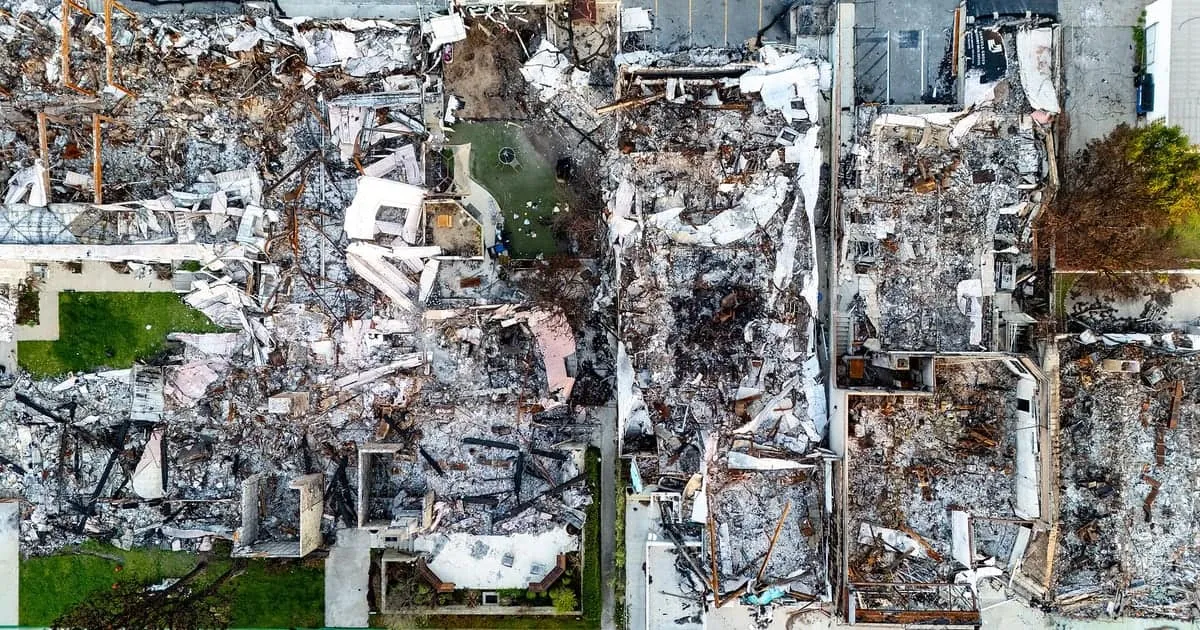
- Featured photo: aerial view of homes destroyed in the Palisades Fire. U.S. Army Corps of Engineers / Christopher Rosario, public domain, via Wikimedia Commons.
Rate changes for individual policies vary. This article is general information, not legal or insurance advice. This site is independent and not affiliated with the California FAIR Plan, the California Department of Insurance or any insurer.