Hit a Deer? What to Do, and Whether Your Car Insurance Covers It
Hit a deer? What to do, whether it is a comprehensive or collision claim, if liability covers it, and whether hitting a deer raises your rates.

Table of contents
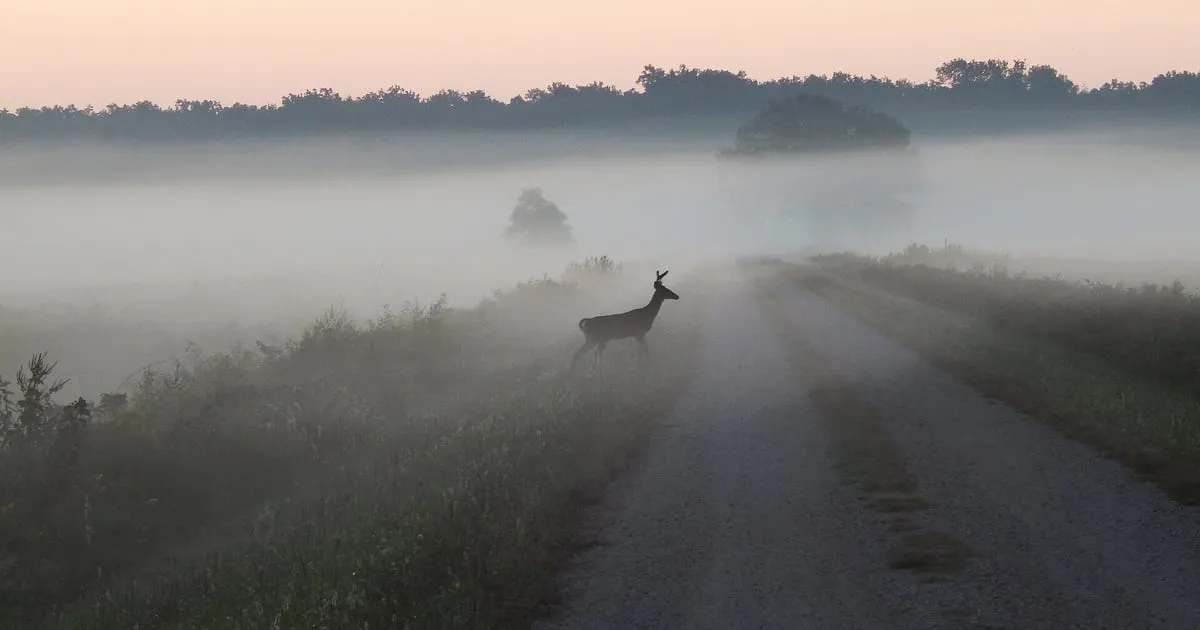
Deer season is here, and on the road that means more collisions. According to State Farm data released in October 2026, October, November and December account for about 41% of all animal-collision insurance claims, roughly 650,000 incidents in those three months. Deer are behind most of them.
If you have just hit a deer, or want to know what your policy covers before it happens, this guide covers what to do in the first few minutes, whether the damage is a comprehensive or collision claim, whether liability insurance pays, and whether your rates will go up.
This site is independent and not affiliated with any insurer. Data is attributed to State Farm and the Federal Highway Administration below.
The short answer
- Is it covered? Yes, if you carry comprehensive coverage. Hitting a deer is normally a comprehensive claim, subject to your comprehensive deductible.
- Liability only? Not covered. Liability pays for others’ damage, not your own car.
- Swerved and hit something else? That is usually a collision claim.
- Will rates go up? Usually not much, because animal strikes are generally treated as not-at-fault. Insurer rules vary.
How common deer collisions are
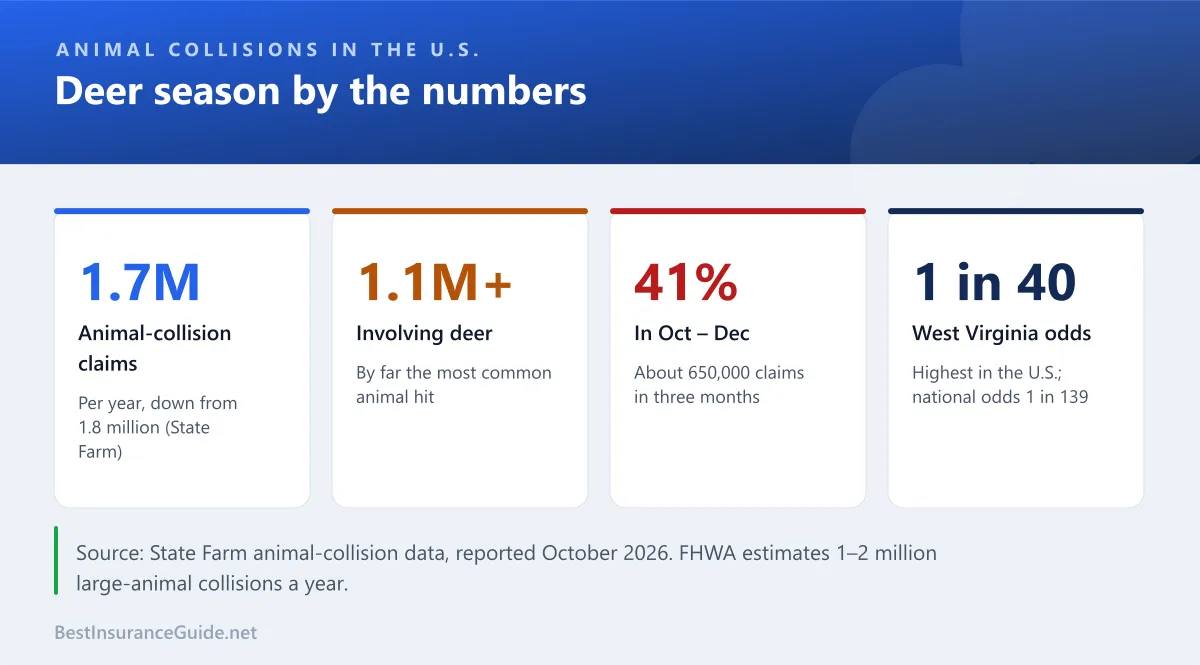
According to State Farm’s latest annual estimate, reported in October 2026:
- There were about 1.7 million animal-collision claims nationwide, down from 1.8 million the year before.
- Deer were involved in more than 1.1 million of them.
- The national odds of an animal collision improved to 1 in 139, from 1 in 128.
- West Virginia has the highest odds, 1 in 40, followed by Montana, Wisconsin, Michigan and Pennsylvania. Nevada has the lowest, about 1 in 966.
The Federal Highway Administration’s wildlife-vehicle collision study estimated 1 to 2 million collisions between vehicles and large animals each year in the U.S., causing about 200 human deaths, 26,000 injuries and at least $8 billion in property damage. Most deer collisions cause no injury to people, but larger animals such as moose and elk are far more dangerous.
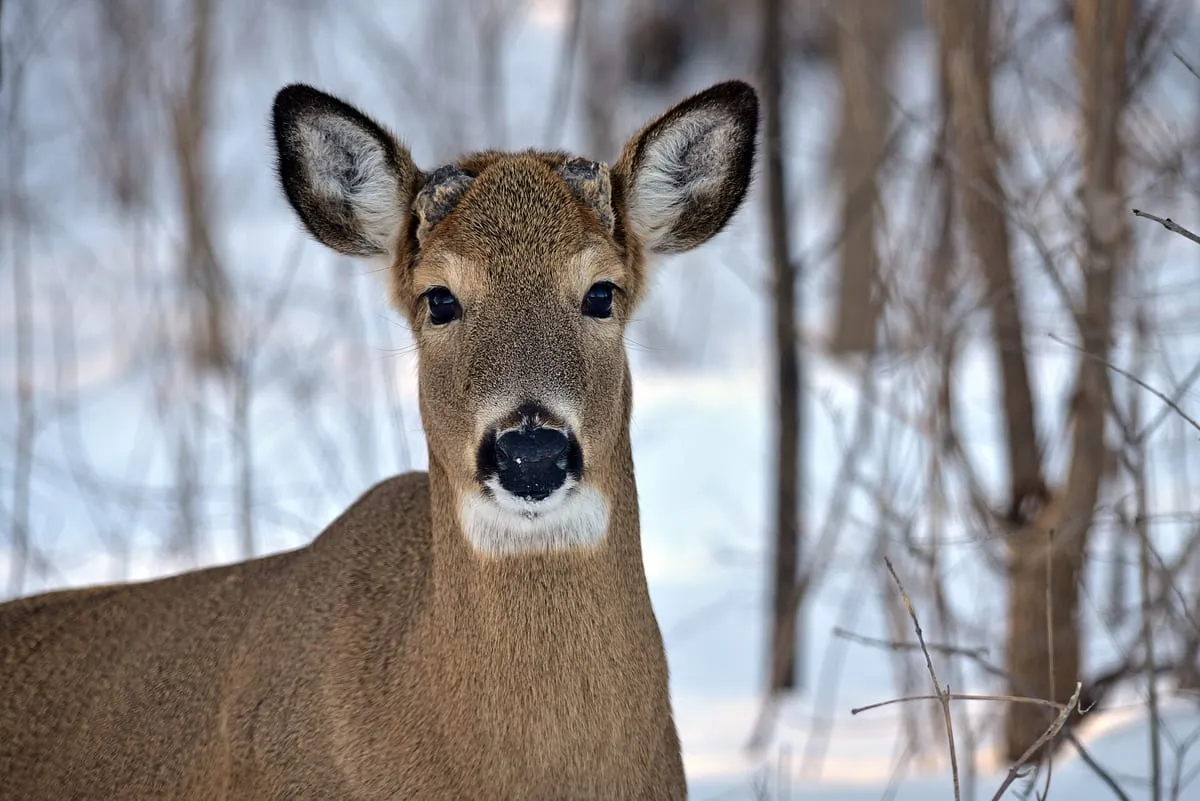
Photo: U.S. Fish and Wildlife Service / Courtney Celley, public domain, via Wikimedia Commons.
Why fall is the peak
Deer are most active at dawn and dusk, exactly when many people commute in autumn as the days shorten. The mating season (the rut) makes deer move more and less predictably, and harvest and hunting seasons push them across roads. Where there is one deer, there are often more.
What to do right after you hit a deer
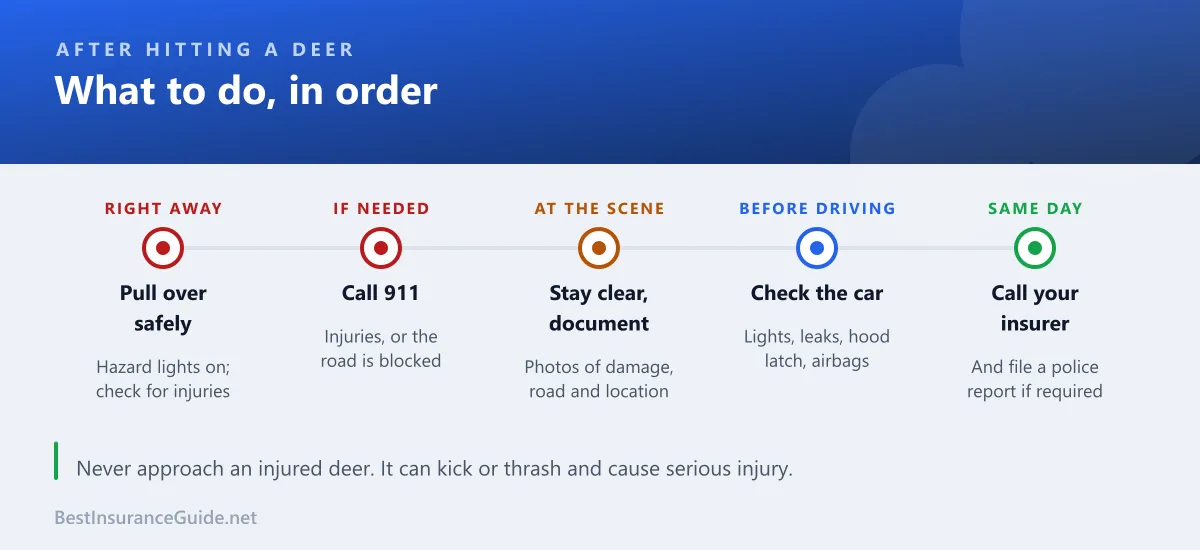
- Pull over safely. Move to the shoulder if you can, and turn on your hazard lights.
- Check for injuries. Call 911 if anyone is hurt, or if the deer or your car is blocking traffic.
- Stay away from the deer. An injured deer can kick or thrash and cause serious injury. Don’t try to move it or put it in your car. Many states have rules about taking a deer killed on the road.
- Document everything. Photograph your car’s damage, the road, any skid marks and the deer if it is safe to do so. Note the time and exact location.
- Report it if required. Many states require a police report for crashes with injury or property damage above a set amount. A report also supports your claim.
- Check the car before driving. Look for leaking fluids, broken lights, loose parts, a damaged hood latch or a deployed airbag. If anything looks unsafe, call for a tow.
- Call your insurer promptly. Most insurers let you start a claim by app or phone.
Comprehensive vs collision: which covers a deer?
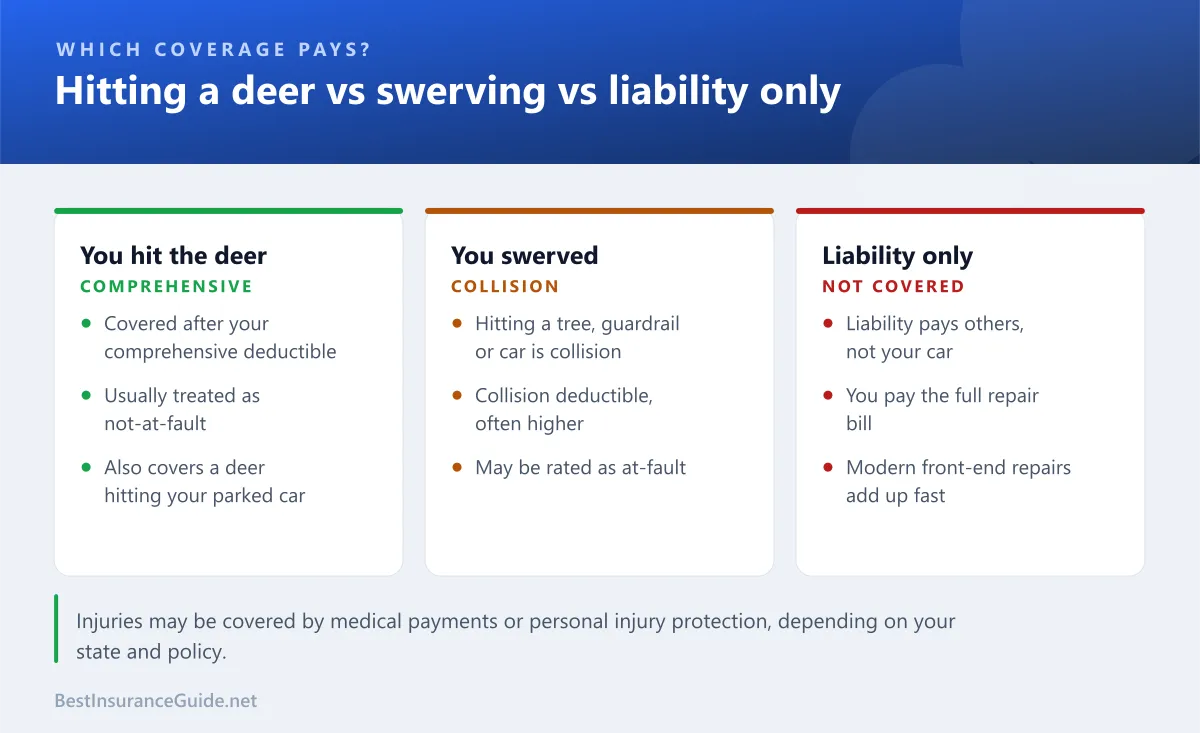
| What happened | Usually covered by | Your cost |
|---|---|---|
| You hit the deer | Comprehensive | Your comprehensive deductible |
| You swerved and hit a tree, guardrail or car | Collision | Your collision deductible, and may count as at-fault |
| A deer ran into your parked car | Comprehensive | Your comprehensive deductible |
| You only carry liability | Not covered | The full repair cost |
| You or passengers were hurt | Medical payments or PIP, depending on your state | Varies |
Comprehensive covers damage from things other than crashing into another vehicle or object: animals, falling objects, fire, theft, hail and flooding. That is why a deer strike sits there. Our guide to comprehensive deductibles explains why many drivers keep that deductible low.
Collision covers crashes with vehicles and objects, including the tree you hit while avoiding a deer. It usually has a higher deductible, and some insurers may treat it as at-fault.
How a deer claim works, step by step
- You report the claim by app, phone or website, with your photos, the location and the police report number if you have one.
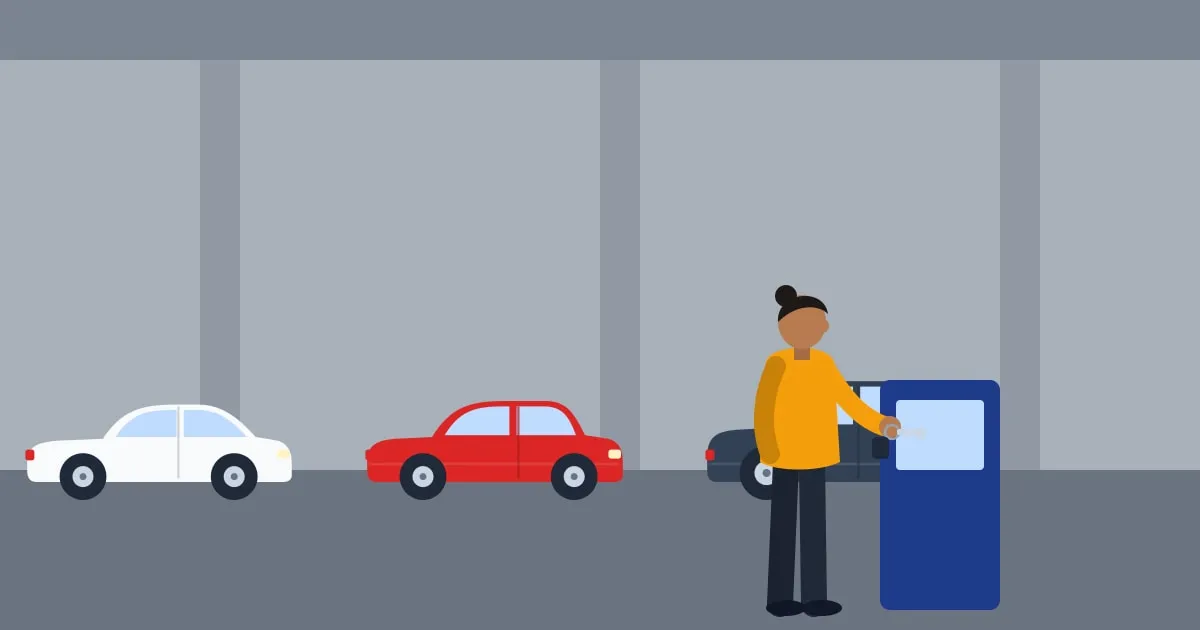
- The insurer assigns an adjuster, who reviews the photos and may inspect the car or ask you to visit a repair shop or drive-in claim centre.
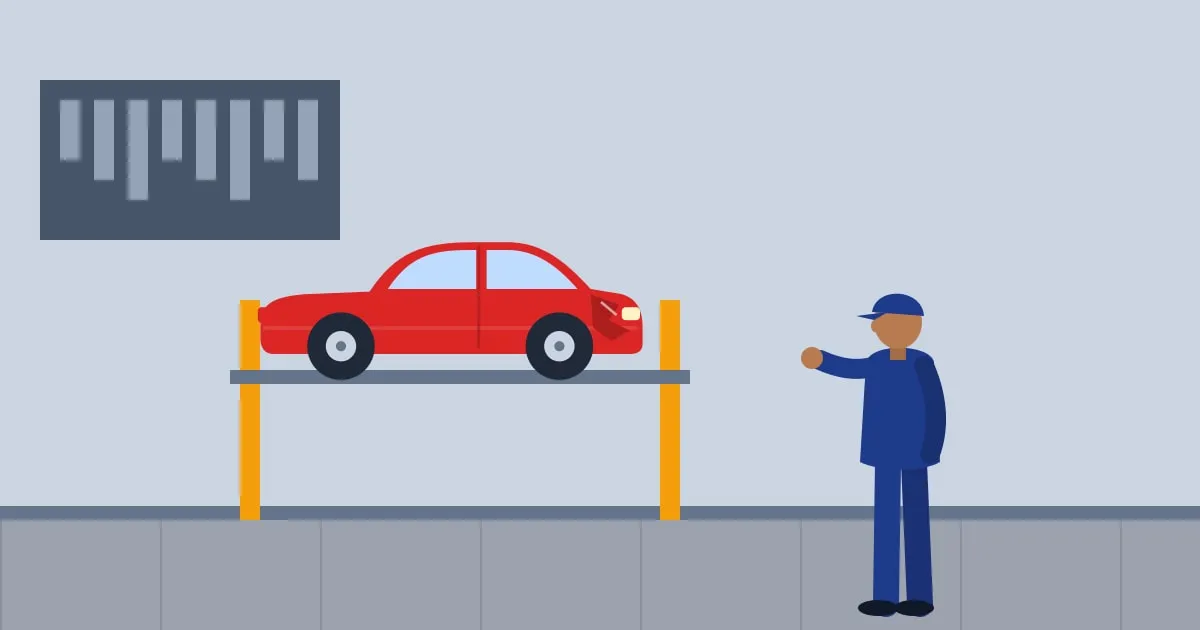
- You get a repair estimate. In most states you can choose your own repair shop, though insurers may suggest preferred shops with workmanship guarantees.
- Your deductible is subtracted. The insurer pays the shop, or you, the approved amount minus your comprehensive deductible.
- Supplements are common. If the shop finds hidden damage once the bumper is off, it files a supplement with the insurer for the extra repairs.
- If repairs exceed the car’s value, the insurer may declare it a total loss and pay its actual cash value, minus your deductible. Our guide to replacement cost vs actual cash value explains how that value is set.
Keep copies of everything, and ask your adjuster if anything in the estimate is unclear.
Does liability insurance cover hitting a deer?
No. This is one of the most common surprises. Liability insurance pays for damage and injuries you cause to other people, not for your own car. If you carry only state-minimum liability, hitting a deer means paying for your own repairs.
That matters more than ever. Repairing a modern car’s front end can include headlights, grilles, radiators, bumper covers and sensor recalibration for driver-assistance systems, which adds up quickly. If your car is worth repairing, comprehensive coverage is often inexpensive relative to that risk. Our guide to why car insurance is going up explains why repairs cost more today.
Will hitting a deer raise your insurance?
In most cases, not much, if at all. Because hitting an animal is generally considered not-at-fault, many insurers don’t apply the surcharge they use for at-fault accidents. A few points to know:
- Each insurer has its own rating plan. Some count all claims when setting renewal prices, especially if you’ve had several in a short time.
- If you swerved and it became a collision claim, it may be treated differently, possibly as at-fault.
- Small damage? Compare the repair estimate with your deductible. If the repair barely exceeds it, some drivers choose to pay themselves.
For how at-fault accidents affect premiums, see how much car insurance goes up after an accident.
If the deer runs off, or you can’t see any damage
Many deer strikes are glancing blows: the deer runs off and the damage looks minor. Still:
- Photograph the car anyway, including fur or blood on the bumper. That helps show the damage came from an animal, which matters for a comprehensive claim.
- Look underneath and behind the bumper. Radiators, coolant lines and sensors are often damaged where you can’t easily see.
- Watch the dashboard for warning lights, and check the car’s temperature gauge on the drive home.
- Have a repair shop inspect it if anything seems off. Hidden damage found weeks later is harder to tie to the incident.
Moose, elk and other animals
Comprehensive generally covers collisions with any animal, but the risk is very different. Moose and elk are tall and heavy, so in a collision the body often strikes the windshield and roof rather than the bumper. That makes them far more dangerous to people inside the car. In moose and elk country, especially in parts of the northern Rockies and New England, slowing down at night matters even more.
Hitting a dog or livestock is usually also a comprehensive claim for your own car. Whether the animal’s owner is responsible depends on state law. Some western states follow open-range rules that limit owners’ liability for livestock on roads. If you hit someone’s animal, report it and let your insurer sort out responsibility.
Rental, leased and financed cars
- Leased or financed car: your lender almost certainly requires comprehensive and collision, so you should be covered. If the car is totaled and you owe more than it is worth, gap insurance covers the difference.
- Rental car: your own policy’s comprehensive coverage often extends to a rental, and some credit cards add coverage. The rental company’s damage waiver is another option. Check before you travel through deer country.
- While your car is repaired: rental reimbursement coverage pays for a temporary car, but only if you added it to your policy.
The highest-risk states
Based on State Farm’s data, drivers in West Virginia, Montana, Wisconsin, Michigan and Pennsylvania have the highest odds of an animal collision. These states combine large deer populations with long stretches of rural road through woods and farmland. If you live in, or regularly drive through, one of these states, comprehensive coverage and a low comprehensive deductible deserve a second look at renewal.
How to avoid hitting a deer
The advice from State Farm and highway safety officials is consistent:
- Slow down at dawn and dusk, especially on rural roads and near woods and fields.
- Use high beams when there is no oncoming traffic, and watch for eye-shine at the roadside.
- Watch for deer crossing signs. They mark known crossing areas.
- Expect more than one. If one deer crosses, slow down and watch for others.
- Brake firmly, don’t swerve. Stay in your lane and keep control.
- Always wear a seatbelt. It matters most in the crashes you don’t see coming.
- Don’t rely on deer whistles. There is little evidence they work.
Worked example: the cost of the coverage gap
Illustrative figures. A driver hits a deer on a dark rural road. The repair estimate for the front bumper, a headlight, the grille, a radiator and sensor recalibration comes to $4,800.
| Coverage | What the driver pays |
|---|---|
| Comprehensive with a $500 deductible | $500. Insurer pays $4,300. |
| Comprehensive with a $1,000 deductible | $1,000. Insurer pays $3,800. |
| Liability only | $4,800. Nothing from insurance. |
Related reading
Does car insurance cover repairs? explains which repairs a policy pays for. Car insurance in Montana and car insurance in Pennsylvania cover two of the highest-risk states for animal collisions, and collision deductible waivers explains a low-cost endorsement worth knowing about.
Sources and notes
- State Farm animal-collision data, as reported by Repairer Driven News, October 1, 2026: claim counts, odds by state, and fall share of claims.
- Federal Highway Administration, Wildlife-Vehicle Collision Reduction Study: Report to Congress (2008): collision, injury, fatality and cost estimates.
- Featured photo: U.S. Fish and Wildlife Service, Midwest Region, public domain, via Wikimedia Commons.
Coverage depends on your policy, state and insurer. This article is general information, not legal or insurance advice. This site is independent and not affiliated with State Farm or any other insurer.