Flood Zone X: Do You Need Flood Insurance? What Hurricane Isaias and a New AP Analysis Reveal
Does flood zone X require flood insurance? No, but 29% of NFIP claims come from outside high-risk zones. Shaded vs unshaded zone X, zone X vs AE rates, and how to decide.

Table of contents
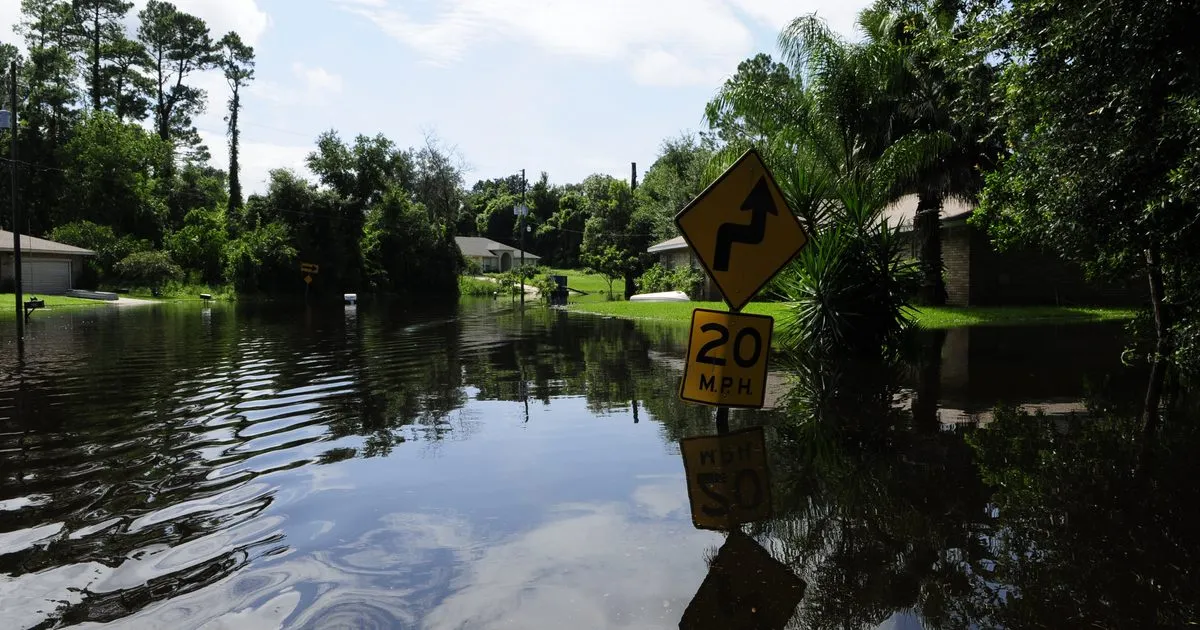
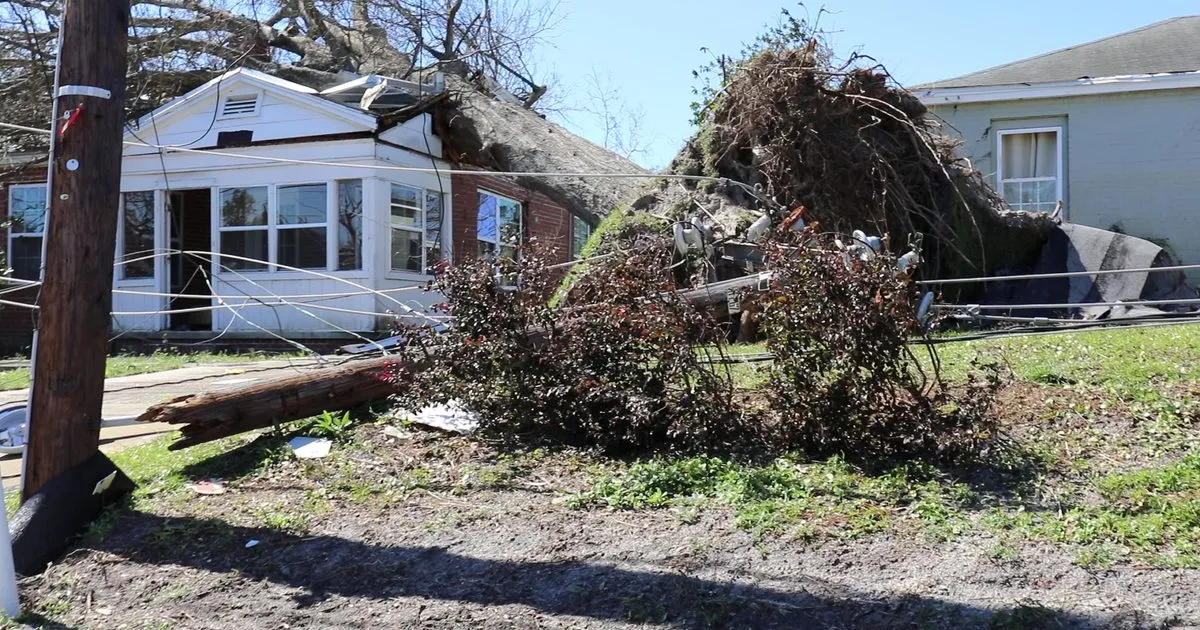
If you live in flood zone X, you’ve probably been told you don’t need flood insurance. Technically, that’s true: zone X does not require flood insurance under federal law. But this week shows why “not required” and “not needed” aren’t the same thing.
As Hurricane Isaias bears down on the Gulf Coast with up to a foot of rain forecast in places, property data firm Cotality estimates that 217,000 homes in the counties under hurricane warnings are at moderate or greater storm surge risk, and the rain can flood homes far from the water. Days earlier, an Associated Press analysis using First Street data found that only 2.4% of U.S. properties have federal flood insurance, while 8.4% face severe or extreme flood risk. Many of those uninsured, at-risk homes sit outside FEMA’s high-risk zones.
This guide explains what zone X actually means, the difference between shaded and unshaded zone X, how zone X compares with zone AE, what flood insurance costs, and a straightforward way to decide whether you need it. This site is independent and not affiliated with FEMA or any insurer.
Does flood zone X require flood insurance?
No. Federal law requires flood insurance only when both of these are true:
- The building is in a Special Flood Hazard Area (SFHA), meaning a zone that starts with A or V, such as A, AE, AH, AO, V or VE; and
- It has a mortgage from a federally regulated or insured lender, which covers most mortgages, including FHA, VA and USDA loans and those sold to Fannie Mae or Freddie Mac.
Zone X is outside the SFHA, so the federal mandate doesn’t apply. Two caveats:
- Your lender can still require it. Some lenders do, especially for homes near water or for large loans.
- Disaster aid can come with conditions. If you’ve received federal disaster assistance for flood damage before, you may be required to keep flood insurance on that property.
What flood zone X actually means
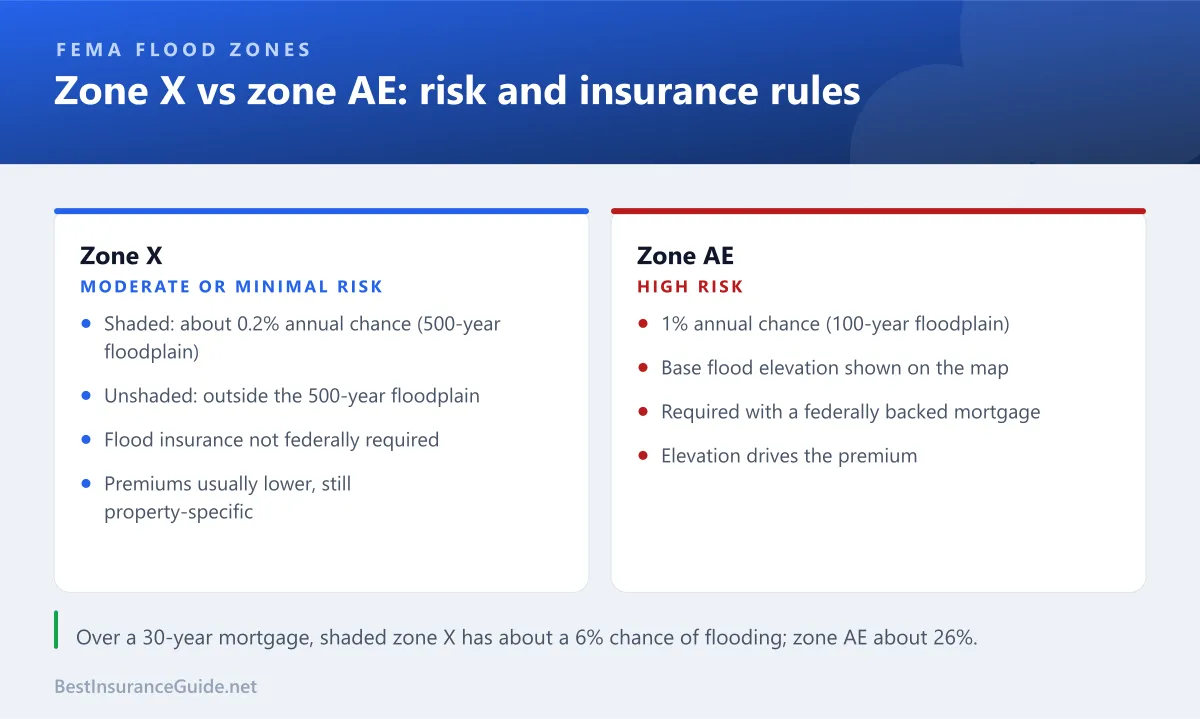
FEMA maps divide the country into flood zones based on how likely flooding is. Zone X comes in two versions:
| Zone | Older name | Risk | What it means |
|---|---|---|---|
| Shaded zone X | Zone B | Moderate | About a 0.2% annual chance of flooding (the “500-year” floodplain), or certain areas with shallow flooding or protected by levees |
| Unshaded zone X | Zone C | Minimal | Outside the 0.2% annual chance floodplain |
| Zone AE (for comparison) | Zone A1–A30 | High | 1% annual chance (the “100-year” floodplain), with a calculated base flood elevation |
“500-year floodplain” sounds remote, but it’s a probability, not a schedule. Over a 30-year mortgage, a 0.2% annual chance works out to roughly a 6% chance of at least one flood. In zone AE it’s about 26%.
Why zone X homes still flood
- Maps lag reality. In the 2022 eastern Kentucky floods, FEMA’s maps captured only about 18% of the buildings affected, according to the AP analysis.
- Heavy rain floods places that aren’t near rivers. Intense downpours overwhelm storm drains and low spots, and that kind of flooding is often poorly reflected on FEMA maps.
- Levees can fail or be overtopped. Homes behind levees are often mapped as shaded zone X, but the risk hasn’t disappeared.
- Hurricanes bring surge and rain together. Isaias’s forecast of 4 to 8 inches of rain, with localized totals of up to 15, reaches well inland.
FEMA’s own numbers tell the story: from 2014 to 2024, nearly one-third (29%) of NFIP flood claims came from outside high-risk flood areas.
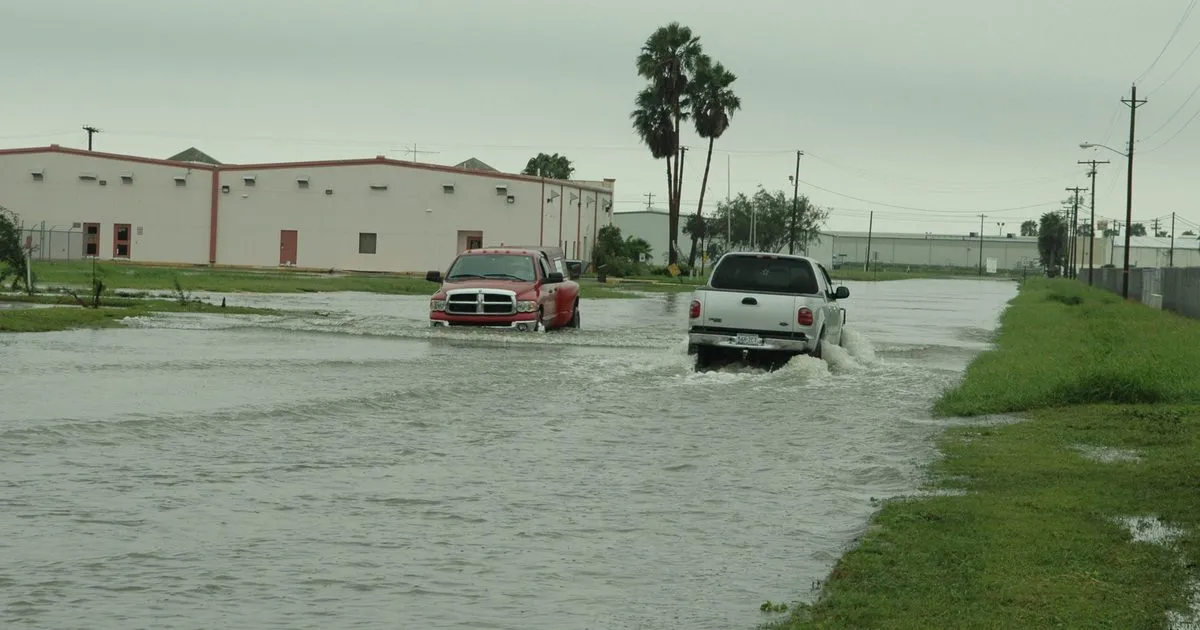
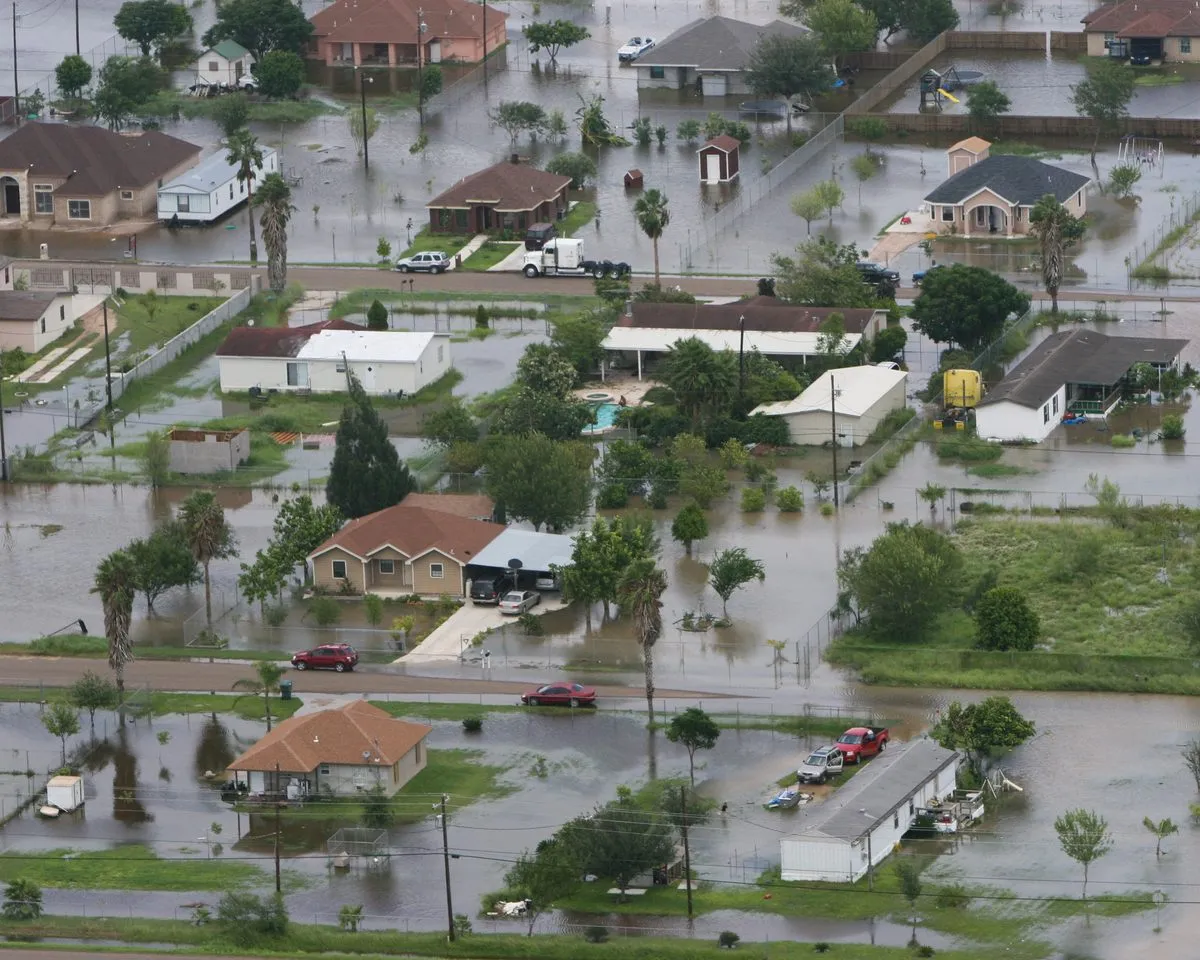 Floodwater surrounds homes in Raymondville, Texas, after Hurricane Dolly, July 2008. Photo: Jacinta Quesada, FEMA (public domain).
How to check your flood zone in five minutes
- Go to FEMA’s Flood Map Service Center (msc.fema.gov) and type in your address.
- Open the dynamic map and zoom to your street. Shaded zone X is usually shown in light orange or grey hatching, and high-risk zones in blue.
- Check whether a map change is pending. Preliminary maps can move homes into or out of high-risk zones, as some Maryland homeowners are finding this month.
- Look at your property’s flood history using your seller’s disclosure, your neighbors, or a free risk tool such as First Street’s Risk Factor.
The flood insurance gap, by the numbers
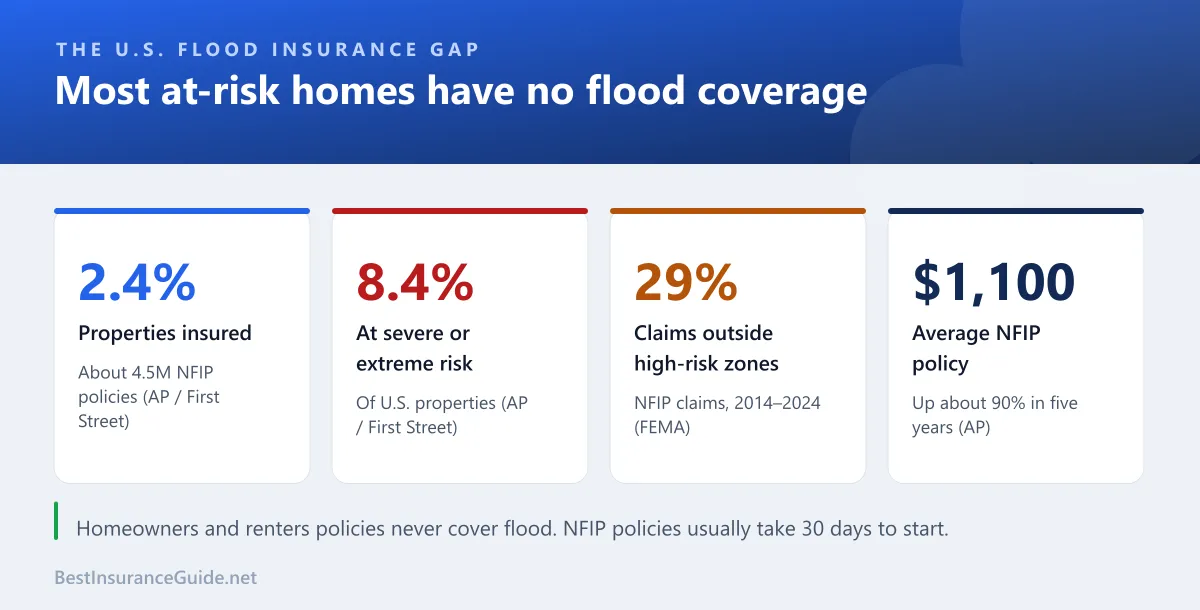
| Finding | Figure | Source |
|---|---|---|
| Share of U.S. properties with NFIP policies | 2.4% (about 4.5 million policies) | AP / First Street, Oct. 2026 |
| Share of properties at severe or extreme flood risk | 8.4% | AP / First Street |
| NFIP claims from outside high-risk zones, 2014–2024 | 29% | FEMA |
| Average NFIP policy cost | About $1,100 a year, up roughly 90% in five years | AP |
| Isaias: homes at moderate or greater surge risk | About 217,000 in eight counties | Cotality, Oct. 8, 2026 |
Do I need flood insurance in zone X? A simple test
You don’t need a hydrologist. Answer these honestly:
- Are you in shaded zone X or close to the edge of an A or V zone? Check FEMA’s Flood Map Service Center or your county’s GIS map.
- Have you, your neighbors or your street flooded before, even a few inches in the garage or crawlspace?
- Are you near water: a creek, canal, lake, river, bayou or the coast, even half a mile away?
- Are you in a low spot, at the bottom of a hill, or behind a levee or dam?
- Do you have a basement or living space at or below ground level?
- Could you pay for a $30,000 to $60,000 flood repair from savings without serious hardship?
If you answered yes to any of 1–5, or no to 6, a zone X flood policy is usually worth pricing. The good news is that zone X policies are often among the cheapest flood policies available.
How much is flood insurance in zone X?
Since FEMA introduced Risk Rating 2.0, NFIP prices are property-specific. The zone isn’t the price. Premiums depend on:
- Distance to water and the type of water: river, coast or ponding.
- Ground and first-floor elevation.
- Flood frequency and type, including heavy rainfall.
- Rebuilding cost and foundation type.
- The coverage and deductible you choose.
Zone X homes typically score lower on most of these factors, so their premiums are often a fraction of a zone AE premium. To get a real number, ask an insurance agent for an NFIP quote for your address, and get one or two private flood quotes as well. Private insurers sometimes beat the NFIP for low-risk homes.
Coverage limits: NFIP residential policies cover up to $250,000 for the building and $100,000 for contents. Renters can buy contents-only coverage.
Worked example: is it worth it?
A family in shaded zone X near a drainage canal in the Florida Panhandle gets an NFIP quote of $650 a year for $200,000 building and $60,000 contents coverage. (Illustrative quote; yours will differ.)
| Without flood insurance | With flood insurance | |
|---|---|---|
| Annual cost | $0 | $650 |
| 10 years of premiums | $0 | $6,500 |
| Cost of a 12-inch flood in the house (typical repair estimates run tens of thousands of dollars) | All of it, out of pocket, or loans | Your deductible (e.g. $1,250) |
One modest flood in a decade usually costs far more than ten years of premiums. FEMA disaster assistance, if a federal disaster is even declared, is limited and often comes as loans you repay.
What a zone X flood policy covers, and what it doesn’t
A flood policy isn’t a mirror of your homeowners policy, so it pays to know the limits before a storm:
- Building coverage pays for the structure and its systems: foundation, walls, floors, electrical and plumbing, HVAC, water heater, built-in appliances, permanently installed carpet, and detached garages (up to a limit).
- Contents coverage is separate and optional. Without it, your furniture, clothes and electronics aren’t covered. Most homeowners should add it.
- Basements are limited. NFIP policies cover essentials in a basement, such as the furnace, water heater, washer and dryer, and freezer, but generally not finished walls, flooring or belongings stored there.
- Living expenses aren’t covered by the NFIP. If you have to move out while repairs are done, that’s your cost. Some private flood policies add it.
- Cars aren’t covered. Flood damage to vehicles comes under your auto policy’s comprehensive coverage.
- Mold and moisture damage you could reasonably have prevented may be excluded, so dry out quickly after a flood and document what you did.
Renters and condo owners in zone X
Renters can buy contents-only flood insurance. It’s often inexpensive in zone X and covers belongings your landlord’s policy never will. Condo owners should check what the association’s master flood policy covers. It usually insures the building, not your unit’s interior upgrades or belongings, so an individual policy can fill the gap.
Zone X vs zone AE: what changes
| Zone X | Zone AE | |
|---|---|---|
| Risk level | Moderate (shaded) or minimal (unshaded) | High (1% annual chance) |
| Federally required with a backed mortgage? | No | Yes |
| Base flood elevation shown? | No | Yes |
| Typical premium | Usually lower | Usually higher; depends heavily on elevation |
| Ways to lower the cost | Choose a higher deductible; compare private quotes | Elevation certificate, flood vents, elevating utilities, higher deductible |
How much is flood insurance in zone AE?
There’s no single answer, because elevation dominates. A zone AE home whose first floor sits well above the base flood elevation can pay far less than a similar home built at or below it. If you’re in zone AE:
- Get an elevation certificate, which can lower your rate.
- Ask about flood vents and raising utilities such as the HVAC, water heater and electrical panel.
- Check whether your community participates in FEMA’s Community Rating System, which gives discounts of up to 45% in the best-rated communities.
Buy before you need it: the 30-day wait
NFIP policies usually take 30 days to take effect. There are exceptions, such as coverage required when you close on a mortgage. That means a policy bought for Isaias today wouldn’t cover it. The time to buy is now, for the next storm. Private flood policies set their own waiting periods, sometimes shorter.
One more timing issue: the NFIP’s authority to sell and renew policies currently runs to December 12, 2026. Congress has extended it dozens of times. Existing policies stay in force even if it lapses, but new purchases can stall.
Related reading
Do I need flood insurance? is our full guide to flood coverage amounts and requirements. Does homeowners insurance cover hurricane damage? explains the wind-versus-water split during Isaias, does renters insurance cover flood damage? covers tenants, and does car insurance cover flood damage? covers your vehicle.
Sources and notes
- FEMA / FloodSmart: flood zone definitions; “from 2014–2024, nearly one-third of NFIP claims came from outside high-risk flood areas”; NFIP coverage limits and the 30-day waiting period; Risk Rating 2.0 rating factors; Community Rating System discounts.
- Associated Press analysis with First Street data, as reported by Claims Journal, October 5, 2026 (2.4% insured vs 8.4% at severe or extreme risk; Kentucky map coverage; average premium).
- Cotality, “Hurricane Isaias targets the northern Gulf Coast”, October 8, 2026.
- Insurance Journal, NFIP authorization through December 12, 2026, October 7, 2026.
- Baltimore Sun, “Proposed FEMA map could make some Howard residents get flood insurance”, October 7, 2026.
- Photos: FEMA, public domain, via Wikimedia Commons.
This article is general information, not insurance advice. Flood risk and pricing are property-specific. Check your flood zone and get quotes for your address.