Does Insurance Cover a Stolen Car? Only If You Bought Comprehensive
Theft is a comprehensive claim, it settles at the car's value rather than what you owe, and the belongings inside it are somebody else's policy entirely.
Sep 9, 202613 min read
146 articles
Page 5 of 13 of our guides about coverage limits: plain-English explainers, worked examples and tips for comparing insurance coverage.
Theft is a comprehensive claim, it settles at the car's value rather than what you owe, and the belongings inside it are somebody else's policy entirely.
For children the answer is generally yes. For adults it varies enormously by state, and whether the extraction is medically necessary decides most cases.
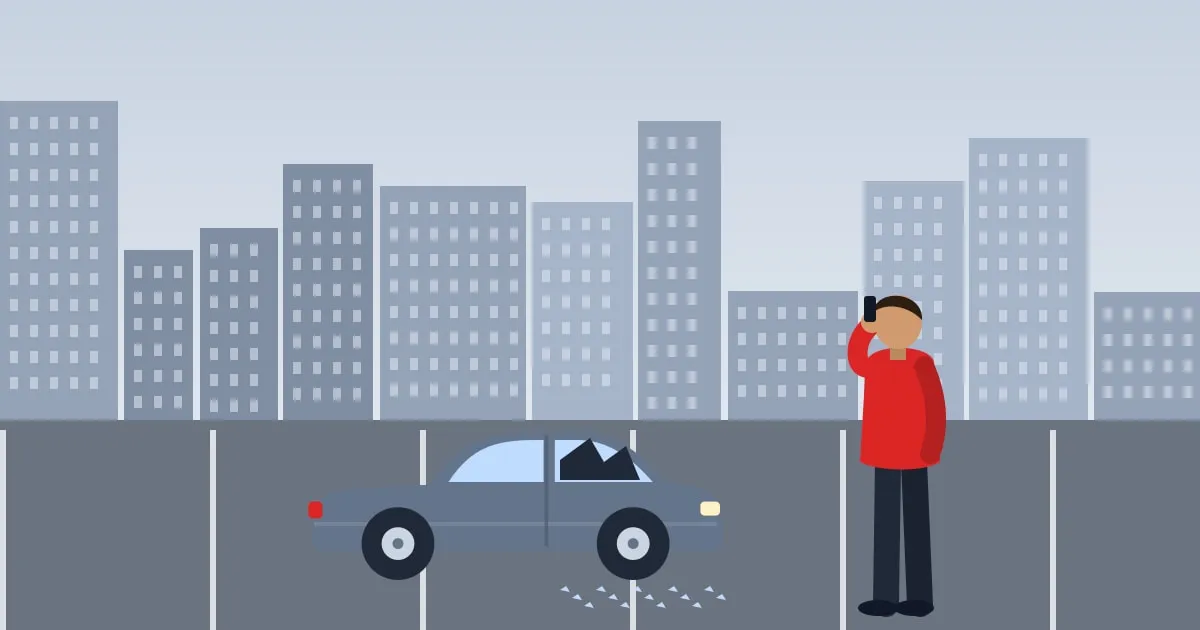
A smashed window is your auto policy. The laptop that was on the seat is your renters policy. One break-in, two claims, two deductibles, and often neither is worth filing.
Infestations are excluded from every standard renters policy as a maintenance issue. Who is actually responsible, what the lease says, and what you can do.
Loss of use pays the additional cost of living elsewhere after a covered loss. What counts, what does not, and the parts tenants routinely forget to claim.
Renters liability pays when someone else is hurt in your home or by your actions. Your own injuries are your health insurance, and the naming confuses everyone.
Theft is covered wherever it happens and forced entry is usually not required. The category sublimits are where claims disappoint, and cash is capped at almost nothing.
The airline owes you a refund or a rebooking. Travel insurance covers the hotel you cannot reach, the tour you miss and the night in an airport city, and only for listed reasons.
A hurricane becomes a foreseeable event the moment it is named, and policies bought after that point exclude it. Timing decides this question more than wording does.
Dwelling fire policies cover the building without the homeowners package around it. The three forms, what each leaves out, and why landlords and vacant homes end up here.
Florida makes you carry PIP and property damage and asks for no bodily injury liability at all. That single gap explains most of what goes wrong in a Florida claim.
Most policies now carry two or three deductibles, and the percentage one is the one nobody has read. How they work, what raising them actually saves, and where the line sits.