Business Liability Insurance in NJ: What the Contracts Actually Demand
New Jersey requires workers compensation from the first employee with no small-employer exemption. General liability is not required by law and is required by everybody else.
141 articles
Page 3 of 12 of our guides about coverage limits: plain-English explainers, worked examples and tips for comparing insurance coverage.
New Jersey requires workers compensation from the first employee with no small-employer exemption. General liability is not required by law and is required by everybody else.
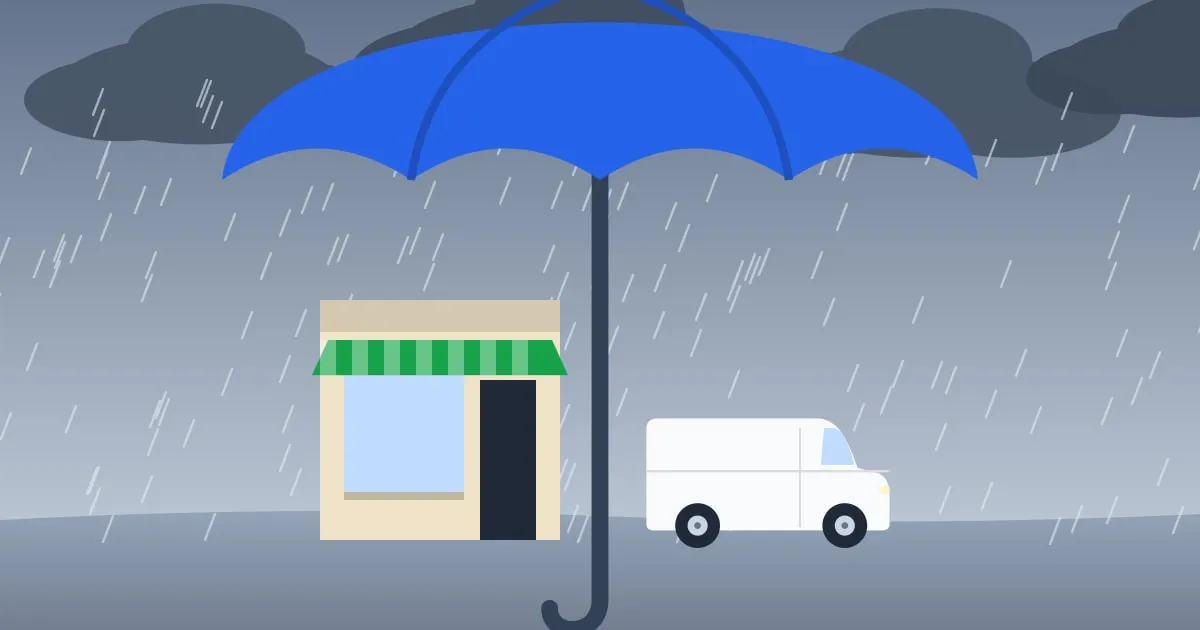
An umbrella sits above your existing liability policies and pays when they run out. It is the cheapest large limit available and it will not fix a gap underneath it.
Cancelling is almost always allowed. Getting back in is not, because enrolment is restricted to open enrolment and qualifying life events. That asymmetry is the whole answer.
Medicare starts at 65 for nearly everyone. Retiring at 62 means bridging three years, and the options are better than most people expect if you plan the income.
Alabama is one of a handful of states using pure contributory negligence. If you are one percent responsible, you recover nothing. That should change what you buy.
Kansas requires personal injury protection, which means your own policy pays your medical bills first regardless of fault. That changes how you should set the limits.
Kentucky lets drivers reject no-fault in writing and keep an unrestricted right to sue. Almost nobody knows the choice exists, and it changes what a serious claim is worth.
Montana combines the country's highest animal collision odds with air ambulance distances and a high uninsured driver rate. All three argue for buying more than the minimum.
Pennsylvania sets some of the lowest liability minimums in the country and then asks every driver to choose between full and limited tort. Both facts decide what a claim pays.
Philadelphia is the most expensive place in Pennsylvania to insure a car, and the cheapest-looking policies get there by selling away your right to claim for pain and suffering.
South Carolina lets a driver register a vehicle without insurance by paying a fee, and it makes uninsured motorist cover mandatory. Both facts should change what you buy.
A non-owner policy covers your liability when you drive vehicles you do not own. Who genuinely needs one, what it refuses to cover, and why a gap in cover is expensive.