Car Insurance in Montana: Long Distances, Big Animals, Thin Coverage
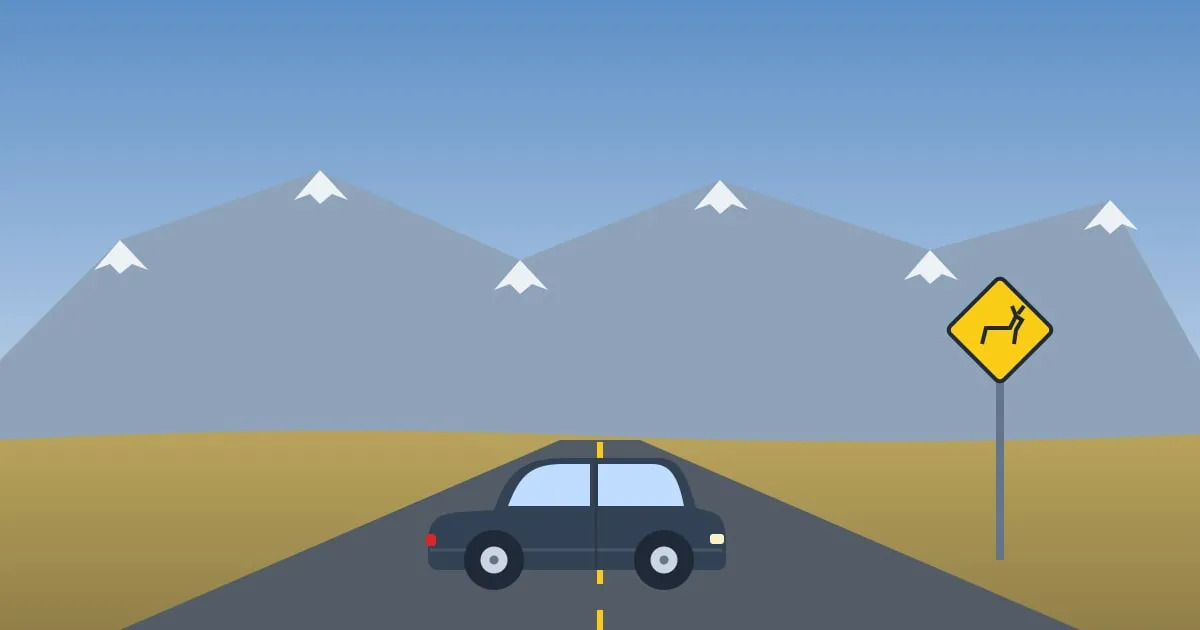
Montana combines the country's highest animal collision odds with air ambulance distances and a high uninsured driver rate. All three argue for buying more than the minimum.
146 articles
Page 4 of 13 of our guides about coverage limits: plain-English explainers, worked examples and tips for comparing insurance coverage.
Montana combines the country's highest animal collision odds with air ambulance distances and a high uninsured driver rate. All three argue for buying more than the minimum.
Pennsylvania sets some of the lowest liability minimums in the country and then asks every driver to choose between full and limited tort. Both facts decide what a claim pays.
Philadelphia is the most expensive place in Pennsylvania to insure a car, and the cheapest-looking policies get there by selling away your right to claim for pain and suffering.
South Carolina lets a driver register a vehicle without insurance by paying a fee, and it makes uninsured motorist cover mandatory. Both facts should change what you buy.
A non-owner policy covers your liability when you drive vehicles you do not own. Who genuinely needs one, what it refuses to cover, and why a gap in cover is expensive.
A caterer works in other people's buildings, serves food to strangers and frequently pours alcohol. Each of those is a separate policy and the third is the one that ends businesses.
If an uninsured driver hits you, a collision deductible waiver removes your deductible entirely. It costs a few dollars a year and most drivers have never been offered it.
Comprehensive answers hail, theft, deer, flood and glass, which are the claims most drivers actually make. Raising its deductible saves the least and costs the most.
Connecticut offers an underinsured motorist option that most drivers have never heard of and that changes what a serious claim actually pays. Here is how it works.
Most people weigh renters insurance against what their belongings are worth. That is the wrong calculation, and it is why the honest answer is almost always yes.
Some plans run drugs through the medical deductible, some use a separate drug deductible, and some charge copays that never touch it. All three are common.
Insurance pays for damage from a sudden accidental event. It never pays for a worn clutch, a failed alternator or a service. The line between the two decides every claim.