Comprehensive Deductible: The One You Should Probably Keep Low
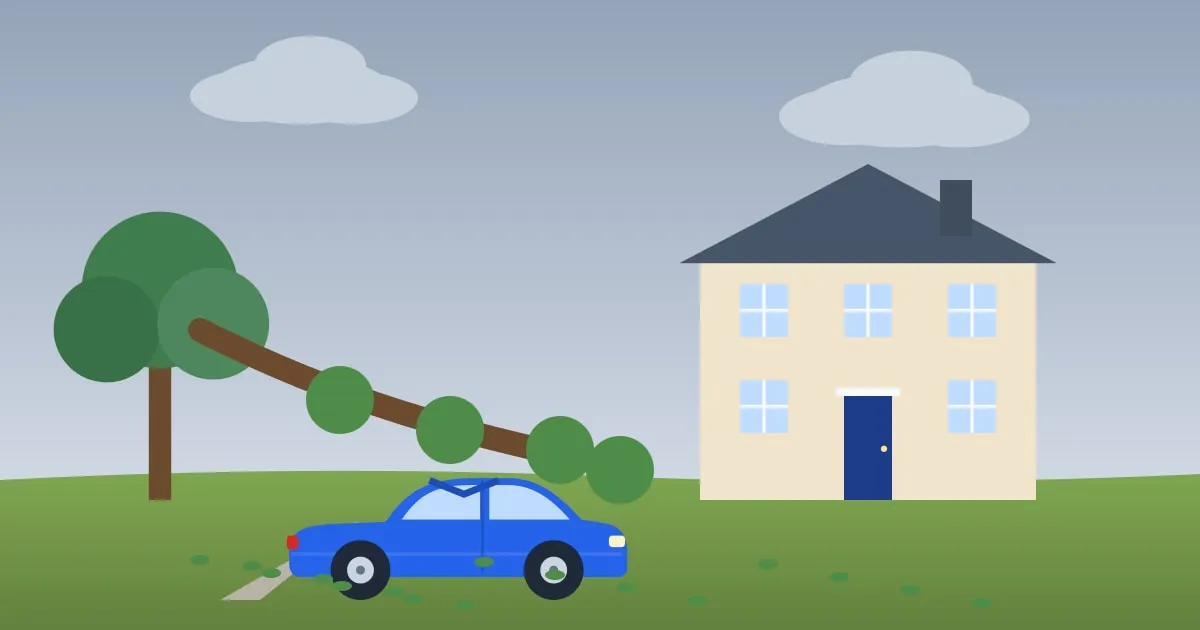
Comprehensive answers hail, theft, deer, flood and glass, which are the claims most drivers actually make. Raising its deductible saves the least and costs the most.
52 articles
Page 3 of 5 of our guides about saving money: plain-English explainers, worked examples and tips for comparing insurance coverage.
Comprehensive answers hail, theft, deer, flood and glass, which are the claims most drivers actually make. Raising its deductible saves the least and costs the most.
Most people weigh renters insurance against what their belongings are worth. That is the wrong calculation, and it is why the honest answer is almost always yes.
A clean record is the largest discount in car insurance and it is not one discount. It is five separate mechanisms, and most drivers are only receiving two of them.
The honest answer is that the purchase price is close to irrelevant. What decides the premium is the rebuild cost, the roof, the state and the deductible structure.
Most policies now carry two or three deductibles, and the percentage one is the one nobody has read. How they work, what raising them actually saves, and where the line sits.
A house in Savannah and a house in Marietta are priced by completely different risks. Coastal wind deductibles, north Georgia hail, and the lightning exposure nobody mentions.
Ohio is one of the more affordable states to insure a house in. The claims that actually cost Ohio homeowners money are hail and sewer backup, and one of those is excluded by default.
An at-fault claim commonly raises a premium by a quarter to a half and stays on the rating for three to five years. What decides where in that range you land.
Whole life bundles protection with savings, and the bundling costs money. Where it genuinely earns its place is narrow, specific, and not what it is usually sold for.
Because you are buying less insurance and taking on more risk yourself. The mechanism is straightforward, and the reason the saving flattens out is the interesting part.
No insurer gives you coverage for nothing. What zero down policies actually do is move the money later and charge you for the privilege. Here is the arithmetic.
Motorcycle premiums range from under $200 to over $2,000 for the same rider. What actually drives the spread, and the levers that reliably cut it.