Does Renters Insurance Cover Electronics? Yes, at the Wrong Value
Electronics are covered against theft and named perils, but they depreciate faster than anything else you own. The setting that decides what you actually get.
Sep 8, 202612 min read
20 articles
Page 2 of 2 of our guides about renters insurance: plain-English explainers, worked examples and tips for comparing insurance coverage.
Electronics are covered against theft and named perils, but they depreciate faster than anything else you own. The setting that decides what you actually get.
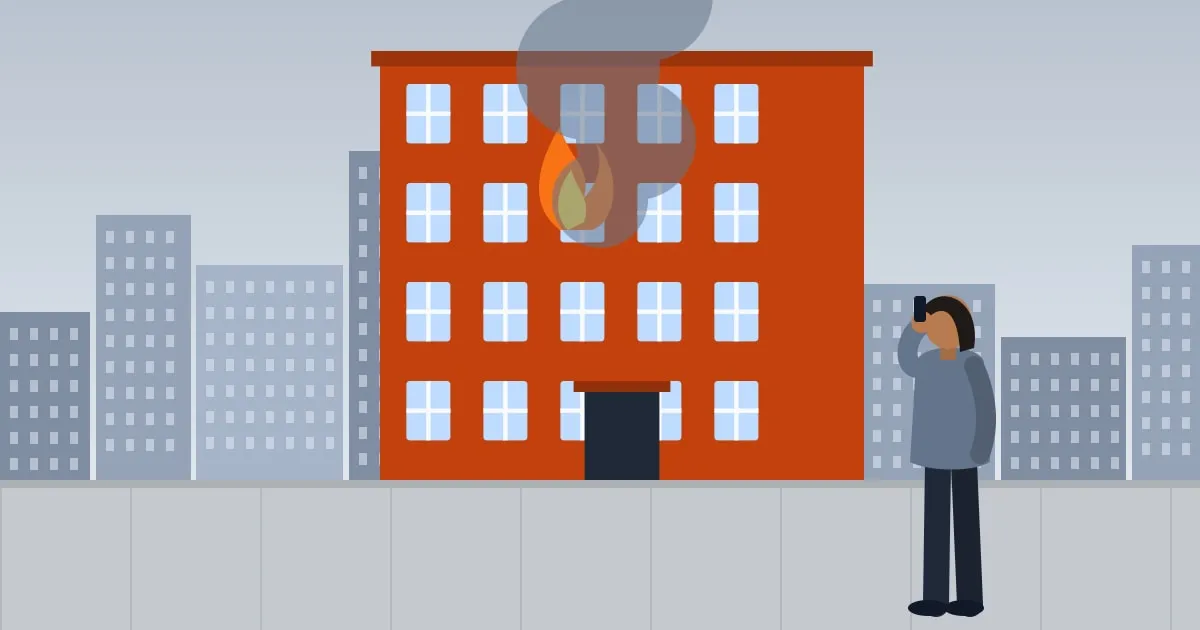
Fire is the peril renters insurance handles best. Smoke without flame, firefighting water, hotel costs, and the liability claim if the fire started with you.
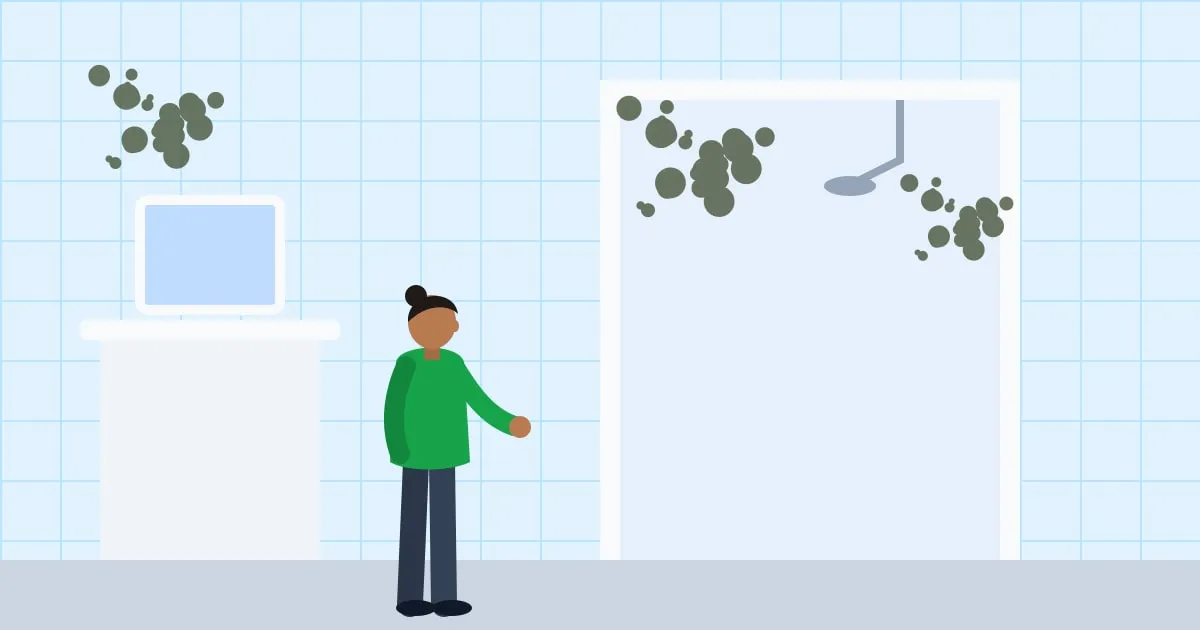
Renters insurance covers mold only when it grows from a sudden covered leak, and usually caps it near $5,000. The test adjusters apply, and how to pass it.
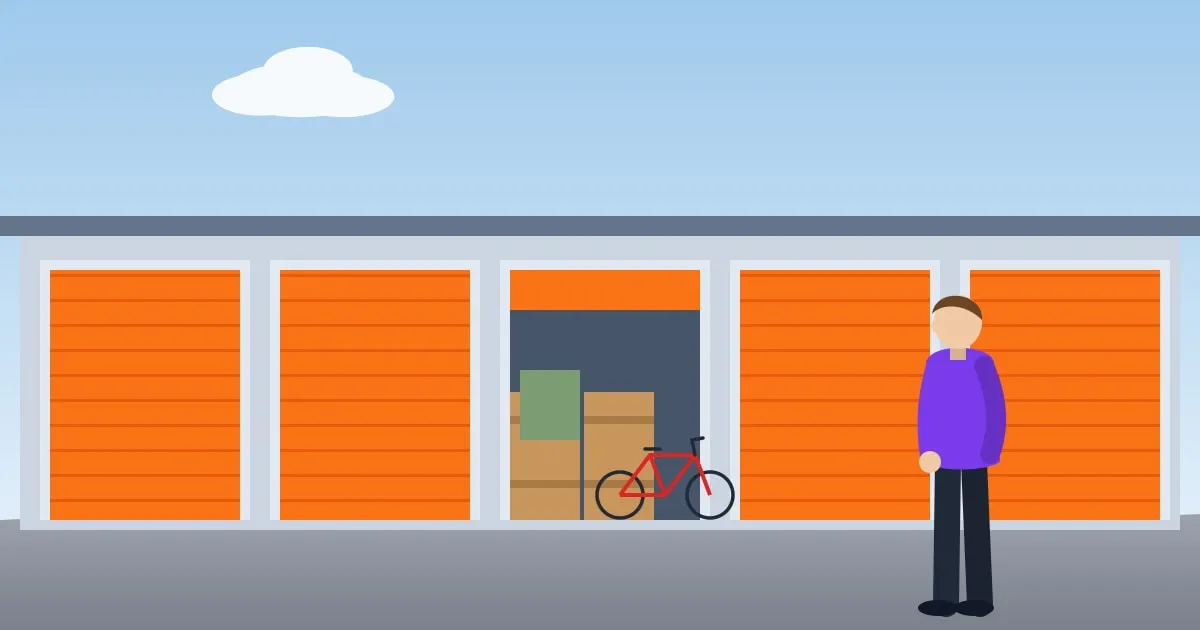
Renters insurance follows your belongings into a storage unit, but usually caps off-premises cover at 10% of your contents limit and drops several perils.
A straight answer to the twelve questions renters actually ask: fire damage, robbery, bike theft, electronics, appliances, car break-ins, injuries and hotel costs.
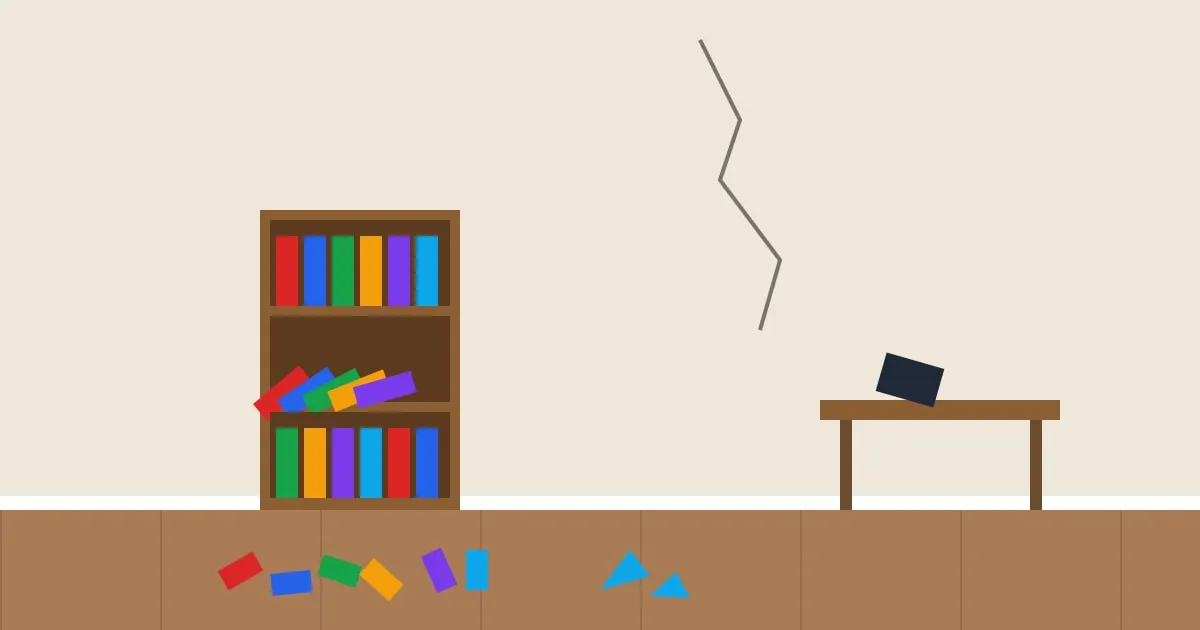
Earthquake is excluded from every standard renters policy. Buying it back costs less for renters than owners, and loss of use is usually the bigger benefit.
Renters insurance in Ohio averages about $14 a month. What it costs, whether it's required, and the Ohio-specific gaps worth closing before you sign a lease.
Renters insurance runs $15-$30 a month. What it covers, worked examples of what claims actually pay, and how to set a contents limit you can defend.