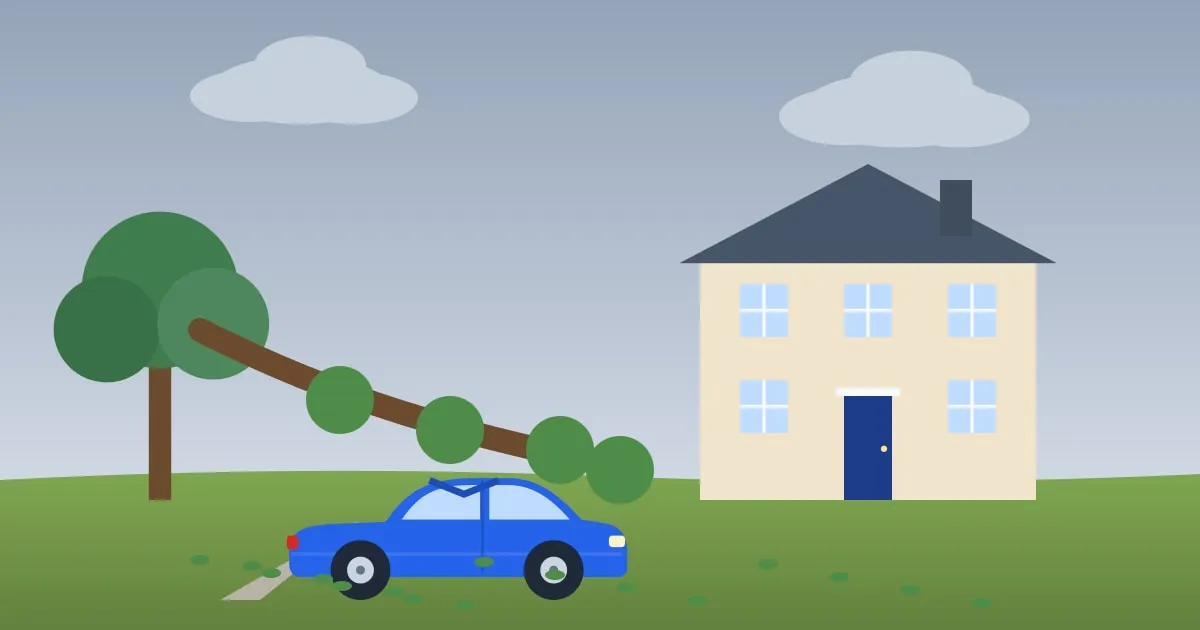
Comprehensive Deductible: The One You Should Probably Keep Low
Comprehensive answers hail, theft, deer, flood and glass, which are the claims most drivers actually make. Raising its deductible saves the least and costs the most.

Author
Managing Editor
Sarah Mitchell is the Managing Editor of Best Insurance Guide. She leads the editorial team that researches, writes and fact-checks our guides on home, auto and renters insurance, working with our contributors to verify claims against regulator and industry sources before publication. *Editorial note: contributor profiles reflect current editorial roles. License numbers and verifiable professional credentials are published here as contributors provide them. Our guides are educational and do not constitute personalized financial advice — always confirm details with a licensed agent or your state insurance department before buying.*
Comprehensive answers hail, theft, deer, flood and glass, which are the claims most drivers actually make. Raising its deductible saves the least and costs the most.
Connecticut offers an underinsured motorist option that most drivers have never heard of and that changes what a serious claim actually pays. Here is how it works.
Most people weigh renters insurance against what their belongings are worth. That is the wrong calculation, and it is why the honest answer is almost always yes.
Insurance pays for damage from a sudden accidental event. It never pays for a worn clutch, a failed alternator or a service. The line between the two decides every claim.
Theft is a comprehensive claim, it settles at the car's value rather than what you owe, and the belongings inside it are somebody else's policy entirely.
A smashed window is your auto policy. The laptop that was on the seat is your renters policy. One break-in, two claims, two deductibles, and often neither is worth filing.
Infestations are excluded from every standard renters policy as a maintenance issue. Who is actually responsible, what the lease says, and what you can do.
Loss of use pays the additional cost of living elsewhere after a covered loss. What counts, what does not, and the parts tenants routinely forget to claim.
Renters liability pays when someone else is hurt in your home or by your actions. Your own injuries are your health insurance, and the naming confuses everyone.
Theft is covered wherever it happens and forced entry is usually not required. The category sublimits are where claims disappoint, and cash is capped at almost nothing.
Dwelling fire policies cover the building without the homeowners package around it. The three forms, what each leaves out, and why landlords and vacant homes end up here.
Florida makes you carry PIP and property damage and asks for no bodily injury liability at all. That single gap explains most of what goes wrong in a Florida claim.